Don't Fall For The Urgent Server Warning Email Scam
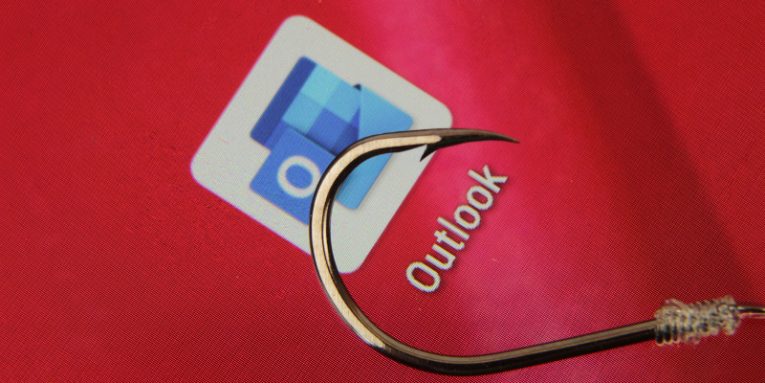
The "Urgent Server Warning" email scam is a deceptive phishing attempt to trick recipients into providing their email login credentials. Disguised as an important server-related message, this scam targets individuals by exploiting their sense of urgency and concern for their email accounts. Here, we will explain the mechanics of the scam, how it works, and what users can do to protect themselves.
Table of Contents
How the Scam Operates
The "Urgent Server Warning" email typically arrives in your inbox with a subject line like "Urgent Server Warning!" or something similar, suggesting an immediate need for action. The email body falsely claims that a request to terminate your email account has been received. The scam suggests that if no action is taken, the email account will be permanently deleted or deactivated.
In the email, recipients are prompted to confirm or cancel this so-called request. Clicking any provided links directs users to a phishing website that masquerades as a legitimate service provider. Once there, users are tricked into entering their email credentials, believing they are canceling the termination request.
Here's what the email text looks like:
Subject: Urgent Server Warning!
Urgent Server Warning!
We received an instruction few hours ago to terminate your email account (XXXXXXX) from our server.
You need to confirm you made this request or we will continue with the request.
But if you think it is an error, take action immediately to stop this process, else your email will be closed shortly.Click here to Stop (XXXXXXX) shutdown
If you are sure you gave this instruction for your account termination, please ignore this warning and your request will be processed shortly!
Thank You,
XXXXXXX Security Team
The Real Goal: Stealing Your Email Credentials
The ultimate aim of the "Urgent Server Warning" email scam is to harvest email account login details, such as passwords. Phishing websites linked in these emails collect any information the user enters and sends it directly to the scammers behind the scheme.
Once scammers have access to your email account, they can misuse it in various ways. From sending more phishing emails to your contacts to using your email to access other accounts, the risks can quickly escalate. This is especially concerning if your email is linked to sensitive accounts, such as social media, online banking, or e-commerce platforms.
What Happens When Scammers Hijack Your Email
The misuse of stolen email accounts can have far-reaching consequences. For instance, scammers may impersonate you to solicit loans or donations from your contacts, or they could promote additional scams using your email. Furthermore, they can conduct unauthorized transactions if they gain access to finance-related accounts like PayPal or online banking services, leading to financial loss.
Another common tactic is using your email account to distribute harmful links or files to your contacts, spreading further infections or scams. Essentially, once scammers can access your email, they can exploit it in countless ways.
The Deceptive Nature of the Scam
One of the reasons the "Urgent Server Warning" scam is effective is its use of legitimate-sounding language. Unlike many spam emails that are riddled with spelling mistakes and poor grammar, this phishing email may appear polished and professional, making it harder for users to identify as fraudulent.
Additionally, the email is designed to create a sense of urgency. By stating that your account will be deactivated unless immediate action is taken, the scammers exploit the fear of losing important information or access to your email. This pressure can cause recipients to act without fully thinking through the situation, making them more likely to fall for the scam.
Phishing Websites and Identity Theft
One of the most dangerous aspects of phishing emails, like the "Urgent Server Warning" scam, is the potential for identity theft. Once scammers gain access to your email, they may use it to reset passwords or access other linked accounts. This could allow them to steal personal information, such as social media profiles, financial data, or your online identity.
For example, scammers may hijack your social media accounts to impersonate you, asking your friends or followers for money. Alternatively, they could access online shopping accounts, make unauthorized purchases, or even apply for loans in your name.
Protecting Yourself from Phishing Scams
You can take several steps to protect yourself from phishing scams like the "Urgent Server Warning" email. First and foremost, be cautious of any unsolicited emails asking for sensitive information. If you receive an email claiming that your account is at risk, avoid clicking links or providing personal details. Instead, visit the service provider's website directly or contact their support team to verify the legitimacy of the request.
Additionally, consider enabling two-factor authentication (2FA) on your accounts whenever possible. This extra security layer can prevent unauthorized access even if your email credentials are compromised.
If you believe you've already fallen victim to this scam, act quickly by changing your passwords and notifying the support teams of any compromised accounts. Monitoring your email and linked accounts for any suspicious activity is also a good idea.
Staying Vigilant Against Future Threats
While phishing scams like the "Urgent Server Warning" email may be cleverly disguised, awareness and caution can go a long way in preventing you from becoming a victim. Always be skeptical of unsolicited messages that create a sense of urgency, and ensure you use secure browsing habits. By staying vigilant and proactive, you can protect yourself and your sensitive information from the hands of scammers.