Don't Fall For The Reserve Server Email Scam
Table of Contents
Understanding the Reserve Server Email Scam
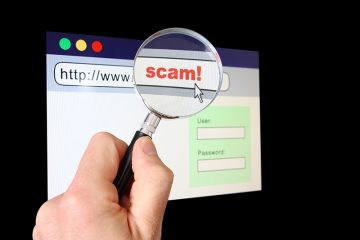
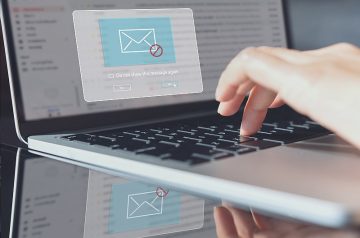
The "Reserve Server Email Scam" is a deceptive tactic cybercriminals use to trick users into revealing their sensitive information. Typically, these scam emails are disguised as urgent notifications from what appear to be legitimate service providers. The subject line may read something like "Warning: Incoming email has been blocked," suggesting an important email was intercepted due to a server error. The email usually provides a link to "activate" or "manage" your Reserve Server (RS) account, urging immediate action to prevent further issues.
Here's what the phishing email looks like:
Subject: Warning Incoming email has been blocked
Hello.
Your mailbox will not be able to receive new email on or after 8/19/2024 11:09:15 a.m..
This is due to an error in your incoming mail server.
You're recommended to use the link below to
activate and manage your RS (Reserve Server)
to enable your mailbox receive and send emails.
Activate and Manage RS
This request will expire in 24 hours.
If you need further assistance,
please contact us and we will be in touch shortly.
© 2024 All rights reserved.
This email was intended for: XXXXXXX
The Reality Behind the Claims
It's important to know that the claims made in these emails are entirely false. The email is not connected to any real service provider, and there is no legitimate Reserve Server account to manage. When users click on the provided link, they are often redirected to a phishing site designed to look like a legitimate login page. If the user enters their credentials, this information is captured by the scammers. Although the initial website link in some of these scams may be inactive or dead, this doesn't reduce the potential risk. Scammers often update these campaigns; future iterations could lead to fully operational phishing sites.
The Dangers of Falling for the Scam
The risks associated with this scam go far beyond the potential loss of access to your email account. If cybercriminals gain access to your email, they can exploit it in numerous ways. For instance, they could access other platforms and services linked to that email, including social media, online banking, and e-commerce sites. This can lead to unauthorized transactions, identity theft, and other forms of financial fraud. Additionally, the scammers could use your email to impersonate you, send fraudulent messages to your contacts, ask for money, or spread malicious links that can further compromise others' security.
How Phishing Emails Operate
Phishing emails like those used in the Reserve Server Email scam are designed to manipulate recipients into believing they must act quickly. The sense of urgency, combined with the professional appearance of the emails, can make even a cautious user feel compelled to click the link. The emails may contain various deceptive elements, such as the logo of a well-known company, official-sounding language, and threats of account suspension or security breaches. These tactics aim to create panic, leading users to bypass their usual caution.
Protecting Yourself from Phishing Attacks
To avoid falling victim to phishing scams like the Reserve Server email Scam, it's crucial to approach unsolicited emails with skepticism. If you receive an email claiming an issue with your account, always verify the information by contacting the service provider directly through official channels. Never click on links or download attachments from suspicious emails. It's also a good practice to hover over links to check the actual URL before clicking, as this can reveal if the link is pointing to an unexpected or unfamiliar website.
The Broader Context of Spam Campaigns
Phishing scams are just one facet of the broader issue of spam campaigns. These campaigns often aim to gather personal information, such as login credentials and financial details, but they can also spread harmful software. Scammers use a variety of lures to trick users, including warnings about undelivered messages, outdated passwords, security threats, and even fake business opportunities or inheritances. The sheer volume and variety of these spam emails highlight the importance of remaining vigilant and discerning when dealing with unsolicited messages.
Recognizing and Avoiding Dangerous Attachments
Beyond phishing links, spam emails may also contain harmful attachments. These attachments might appear to be harmless files like PDFs, Word documents, or ZIP archives, but they can contain scripts or executables that install unwanted software on your device. In some cases, opening these files can immediately trigger a threat installation. In others, you might need to take additional actions, such as enabling macros in a Microsoft Office document, to activate the harmful process. Always be cautious about opening attachments from unknown senders; when in doubt, do not open them.
Staying Safe Online
To protect yourself from scams like the Reserve Server email Scam, it's essential to practice good cyber hygiene. This includes being cautious about the emails you open, the links you click, and the attachments you download. Additionally, always ensure that your software is up-to-date and only download programs from legitimate sources. Avoid using illegal activation tools or third-party updates, which are often vehicles for spreading harmful software. By staying informed and vigilant, you can better safeguard your personal information and secure your online accounts.