North Korean Hackers Use Fake Job Interviews to Infect Developers with Cross-Platform Malware
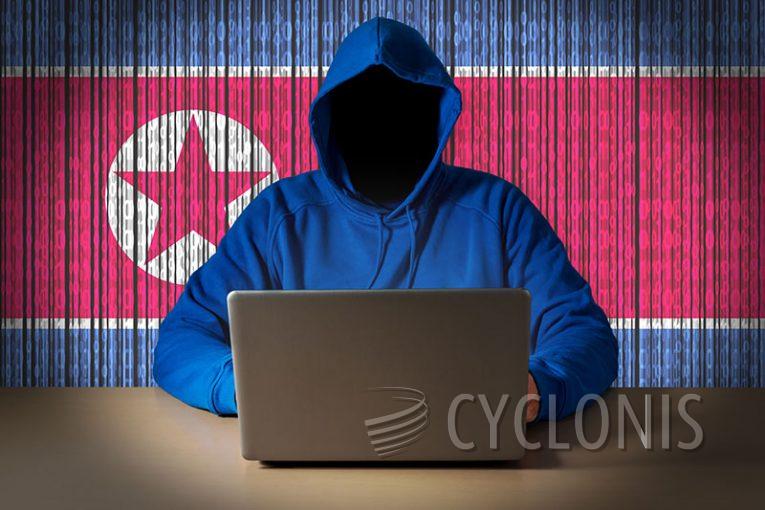
North Korean threat actors have found a cunning way to target software developers: fake job interviews. This insidious method is designed to lure unsuspecting job seekers in the tech industry into downloading malware that compromises both their security and their systems. Security researchers have observed this campaign, tracked as CL-STA-0240 and known as "Contagious Interview," where hackers pose as potential employers on job platforms.
This operation has come to light through a report by Palo Alto Networks' Unit 42. It was first disclosed in November 2023, revealing that cybercriminals are using updated versions of two malware families: BeaverTail and InvisibleFerret.
Table of Contents
How the Attack Unfolds
The first point of contact happens on job search platforms, where North Korean hackers, posing as recruiters, reach out to software developers. They arrange online job interviews, gaining the trust of their victims by imitating legitimate hiring processes. During these so-called interviews, the hackers convince the developers to download what they claim to be a coding assignment or other work-related material. Unbeknownst to the victim, these downloads contain malicious software.
The infection process starts with the BeaverTail downloader, which is an information-stealing malware targeting both Windows and macOS systems. BeaverTail acts as a bridge for a more dangerous second stage of malware: the InvisibleFerret backdoor, which is based on the Python programming language. Despite public awareness of this operation, recent reports suggest that the hackers behind this campaign continue to experience success by tricking developers into unknowingly executing malicious code.
Cross-Platform Malware is A Developer’s Nightmare
A deeper analysis by cybersecurity experts like Patrick Wardle and Group-IB shows just how far-reaching this threat is. These attackers use fake video conferencing applications—such as impersonations of MiroTalk and FreeConference.com—to infiltrate systems. These bogus applications are developed using Qt, a popular framework that allows for cross-compilation across different platforms, including Windows and macOS.
The Qt-based version of BeaverTail isn't just limited to one function. It has the ability to steal browser passwords, as well as data from cryptocurrency wallets, making it particularly dangerous. It exfiltrates data to a hacker-controlled server, giving cybercriminals access to sensitive personal and financial information.
After BeaverTail has done its part, it installs InvisibleFerret, which is capable of far more destructive activity. This malware includes two critical components:
- A main payload designed for remote control, keylogging, fingerprinting the infected system, and even downloading remote desktop tools.
- A browser stealer, which extracts browser credentials, including usernames, passwords, and even stored credit card information.
Financial Motivation Behind the Attacks
North Korean threat actors have long been associated with financially motivated cybercrimes, often using these illicit gains to support the regime. Unit 42 suggests that this particular campaign may have a strong financial motive as well, especially considering the malware’s capability to steal from 13 different cryptocurrency wallets.
By using tools that can harvest valuable assets such as cryptocurrency, browser credentials, and even remote access, the hackers could potentially siphon off large sums of money. Financially motivated cyber attacks, like this one, are a cornerstone of North Korea’s strategy to evade international sanctions and fund its government operations.
Protecting Yourself as a Developer
The rise of cyber-attacks via fake job interviews signals a troubling shift in how hackers are targeting developers and the broader tech community. Here are some steps to stay safe:
- Verify recruiters: Always cross-check the identities of recruiters or employers who reach out to you. A simple LinkedIn search or a visit to the company’s official website can help you confirm if the offer is genuine.
- Be cautious with downloads: Never download files from an untrusted source, especially if they come from a platform or individual you haven't verified.
- Use strong security measures: Keep your antivirus and malware detection software up to date. Consider using encrypted communication and sandboxing tools when interacting with unknown entities online.
- Monitor crypto wallets: If you're involved in cryptocurrency, be especially vigilant. Use wallets with strong security features and monitor transactions closely for any suspicious activity.
Conclusion
The use of fake job interviews by North Korean hackers to spread malware is a chilling reminder of how creative and dangerous cybercriminals can be. With attacks targeting both Windows and macOS platforms, no one is truly safe from these threats. Developers, in particular, should be on high alert, as hackers continue to exploit the job search process to steal sensitive data and financial assets. Staying informed, vigilant, and prepared is key to protecting yourself in this new era of cybercrime.