Protect Your Crypto Assets From the Likes Of Wallet Guard Scam
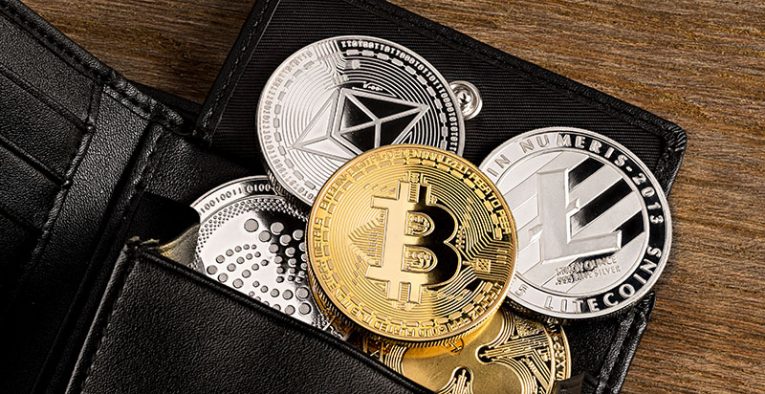
Users must remain vigilant against a myriad of scams targeting their digital assets in the realm of cryptocurrency. One such fraudulent scheme is the Wallet Guard Scam, which disguises itself as a helpful tool for detecting cryptocurrency threats. Here, we delve into what this scam entails, how it operates, and strategies for safeguarding your digital wallet.
Table of Contents
What Is the Wallet Guard Scam?
The Wallet Guard Scam presents itself as a free service designed to identify various cryptocurrency-related scams, including so-called "drainers." However, despite its seemingly beneficial purpose, this fraudulent site operates as a cryptocurrency drainer itself. Once users connect their digital wallets to the site, it enables the theft of their assets. It's important to note that this scam has no affiliation with legitimate software or services.
The deceptive webpage may appear under various domains, such as walletguard-a6b.pages.dev, which are often hosted on different platforms. Its primary function is to lure unsuspecting users into linking their wallets, thus paving the way for the automated theft of funds without the victims' knowledge.
How Does the Scam Operate?
Upon connecting to the Wallet Guard Scam, users unknowingly trigger a mechanism that transfers their cryptocurrency to wallets controlled by scammers. This process is typically automated, meaning that transactions can occur swiftly and often go unnoticed for extended periods. The scam site may also include features that approximate the value of digital assets, prioritizing the theft of the most valuable tokens.
Once a transaction is initiated, victims have little recourse. Cryptocurrency transactions are nearly impossible to reverse, leaving victims without the ability to reclaim their lost funds. This emphasizes the critical need for caution when interacting with any site that requests access to your digital wallet.
The Broader Landscape of Cryptocurrency Scams
The Wallet Guard Scam is just one example within a larger ecosystem of cryptocurrency-related threats. Scammers often employ various tactics to achieve their goals, typically falling into three main categories:
- Draining mechanisms.
- Phishing for wallet credentials.
- Deceiving users into transferring funds voluntarily to scammer-controlled wallets.
Understanding these methods can help users recognize potential threats. Other notable scams include $DOGS Airdrop, Smart Node Chain, and $CATE Airdrop, which, like the Wallet Guard Scam, aim to exploit unsuspecting cryptocurrency enthusiasts.
Recognizing Common Tactics Used by Scammers
Scammers frequently employ diverse strategies to reach potential victims. Common methods include:
1.Malvertising: Intrusive advertisements that promote fake services. Some pop-ups are scams themselves, enticing users to link their wallets with false promises of rewards or benefits. Even legitimate websites can fall prey to these attacks if they are compromised.
2. Social Media Spam: Scammers often use social media platforms to promote fraudulent schemes. They may create promotional posts or send direct messages from hacked accounts, mimicking legitimate organizations or influencers to gain trust.
3. Rogue Advertising Networks: Many scams are propagated through sites that utilize unreliable advertising networks, further muddying the waters for users trying to discern genuine offers from scams.
Best Practices for Safeguarding Your Crypto Assets
To navigate the world of cryptocurrency safely, consider the following best practices:
- Exercise Caution with Offer: Always be skeptical of advertisements or online content that seems too good to be true. Offers promising guaranteed returns or miraculous tools to secure your assets should raise red flags.
- Verify URLs: Pay close attention to the websites you visit. Carefully type URLs and double-check them to avoid typosquatting—a common tactic used by scammers to redirect unsuspecting users to fraudulent pages.
- Avoid Enabling Notifications: If you encounter a suspicious page, do not allow it to send you notifications. Instead, choose to block these requests, as they often lead to intrusive ads and further engagement with scams.
- Download from Official Sources: Always download software from official or verified sources. When installing new applications, pay close attention to the options presented and use custom settings to exclude unnecessary add-ons.
- Stay Informed and Vigilant: Regularly update yourself on the latest scams and techniques employed by fraudsters. Awareness is your first line of defense in the ever-changing landscape of online threats.
Bottom Line
The Wallet Guard Scam serves as a cautionary tale for cryptocurrency users. By understanding how this and other scams operate, individuals can better protect their digital assets from potential theft. Staying informed, exercising caution, and adopting proactive security measures are vital steps in navigating the online world of cryptocurrency safely. With vigilance, users can enjoy the benefits of digital assets while minimizing the risks associated with online scams.