Russia-Linked Hackers Escalate Cyberattacks on Japan Amid Military Tensions
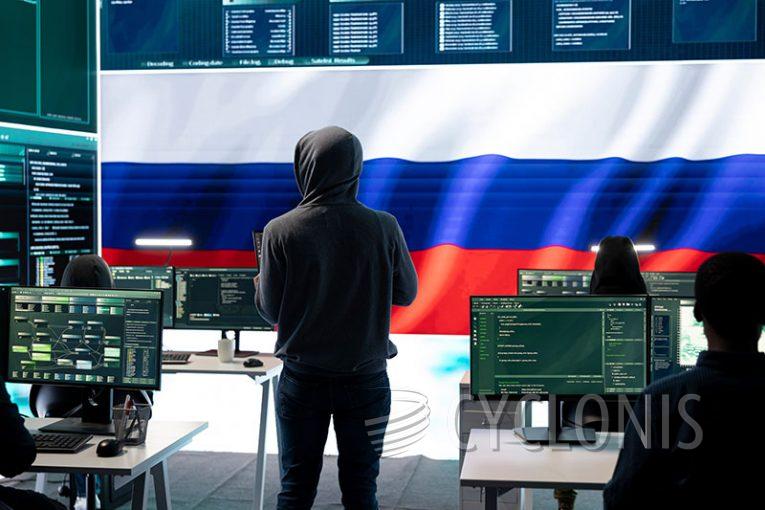
Japan has found itself in the crosshairs of Russia-linked hackers, escalating the cyberthreat landscape amidst geopolitical tensions. These attacks came just after Japan expanded its military collaboration with allies and increased its defense budget.
Two Russian hacking groups, NoName057(16) and the Russian Cyber Army Team, launched distributed denial-of-service (DDoS) attacks against Japan on October 14. These attacks targeted critical sectors, including logistics, shipbuilding, and government agencies. According to the threat intelligence firm Netscout, the attacks appeared to be a retaliatory response to Japan's military buildup and joint military exercises with the U.S.
Table of Contents
Why Japan?
Japan's recent military expansion, its largest since World War II, includes a $320 billion five-year defense strategy. This initiative has been viewed with concern by regional powers like Russia and China. The attacks coincided with statements from the Russian Ministry of Foreign Affairs, which criticized Japan's increased military activities. As Japan strengthens its military ties with allies like the U.S., it seems to be drawing the attention of cyberthreat actors aligned with Russian interests.
Richard Hummel, Director of Threat Intelligence at Netscout, points out that Japan's elections have also influenced the timing of these attacks. Japan's newly elected leaders have been vocal in supporting Ukraine, sending aid, and actively opposing Russian aggression.
Targeted Industries
The attacks weren’t limited to government agencies. More than half of the targeted sectors were in logistics, manufacturing, and shipbuilding. These industries are vital to Japan's economy, and disruptions here can lead to ripple effects across global supply chains. Netscout's analysis highlighted how the Russian groups used various DDoS attack methods and configurations to increase the damage. Around 40 different Japanese domains were attacked, and each domain faced multiple attack waves using four distinct attack vectors.
The Role of Hacktivists
DDoS attacks have shifted in recent years. While many used to originate from the gaming community, where players targeted rivals, hacktivism has seen a resurgence. In some cases, these attacks are driven by political motives or to support a larger cause. For the Russian groups involved in these attacks, punishing countries that criticize Russia's military actions seems to be a primary goal.
The increase in politically motivated DDoS attacks also points to the growing influence of hacktivists in global cyberwarfare. While the involvement of these Russian groups doesn’t definitively tie them to the Russian government, their actions align closely with Moscow’s geopolitical interests.
Future Implications
Japan’s ongoing military expansion and its alliance with Western nations will likely continue to provoke cyberattacks from groups sympathetic to Russia. As Japan’s military plays a larger role in the region, it will need to strengthen its cyber defenses to ward off future threats.
This spate of attacks serves as a reminder that in today’s geopolitical climate, cyberattacks are an increasingly common tool for retaliation and political pressure. With Japan at the forefront of regional power shifts, it will be crucial for the nation to enhance its security posture, both online and off.