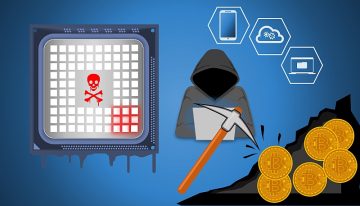
Zephyr Miner: A Silent Strain on Your Computer's Performance

The rise of cryptocurrency has brought not only financial innovation but also an increase in malicious activities. Zephyr Miner, a crypto-mining program classified as malicious software, exemplifies this trend. Designed to mine Zephyr (ZEPH) cryptocurrency for attackers, this advanced miner can infiltrate systems, exploit resources, and leave users grappling with performance issues.
Table of Contents
Understanding Zephyr Miner
Zephyr Miner is malicious software programmed to hijack a device’s processing power to generate cryptocurrency. Unlike legitimate mining setups, It operates covertly, consuming system resources without user consent. To evade detection, it employs various stealth tactics, ensuring its activities remain hidden from antivirus programs and system administrators.
Once installed, Zephyr Miner connects to a mining pool to commence its operations. It uses up to 50% of a device’s CPU capacity, striking a balance between effective mining and minimizing suspicion. This hidden activity, while profitable for attackers, often comes at a high cost to the victim.
How Zephyr Miner Operates
Zephyr Miner infiltrates devices through multiple methods, including batch files, VBScript files, PowerShell scripts, and executable files. These files serve as entry points, initiating the program’s installation and setting the stage for its mining operations.
After infiltrating a system, the miner takes deliberate steps to avoid detection. It modifies settings to add itself to the exclusion list of the Microsoft Defender Antivirus, ensuring it won’t be flagged during routine scans. Additionally, it deletes traces of its infection chain and establishes persistence by setting itself as a scheduled task, enabling it to restart after reboots.
The Implications of Zephyr Miner
The presence of Zephyr Miner on a device can lead to a range of performance-related issues. Since it utilizes significant system resources to solve complex mathematical problems for cryptocurrency generation, affected devices often experience slower performance, freezing, or crashes. These issues can render the device nearly unusable for regular tasks.
Beyond performance, the miner’s activity generates excessive heat, which can strain hardware components. Prolonged exposure to high temperatures may damage hardware, especially under certain conditions like warm environments or inadequate cooling systems. In severe cases, this damage could result in data loss, privacy concerns, and financial costs associated with repairing or replacing hardware.
How Zephyr Miner Might Spread
Although the exact methods used by Zephyr Miner to spread are unknown, its distribution likely follows common malware propagation techniques. These include phishing emails, deceptive downloads, and malicious attachments. Files that carry the miner are often disguised as legitimate documents, applications, or updates, making it easier to trick users into initiating the infection.
Attackers also exploit unverified download sources, such as third-party websites and peer-to-peer networks, to distribute harmful software. Some programs even spread independently through local networks or removable storage devices, such as USB drives or external hard disks, amplifying their reach.
Staying Protected from Cryptominers
Zephyr Miner serves as a reminder of the importance of proactive cybersecurity measures. Users must exercise caution when opening emails, especially those containing attachments or links from unknown sources. Suspicious files, regardless of their format, should not be downloaded or executed without verification.
Software should always be updated and installed through legitimate channels for additional protection. Third-party tools, including pirated content or unauthorized activation programs, often serve as carriers for malicious software like Zephyr Miner.
The Bigger Picture of Cryptominer Threats
While Zephyr Miner targets devices for cryptocurrency mining, its approach is not unique. Other miners, such as SilentCryptoMiner and Altruistics, operate in similar ways, exploiting system resources and undermining performance. These threats, while diverse in their technical makeup, share the common goal of financial exploitation.
As technology evolves, so do the tactics of malicious actors. The emergence of advanced cryptominers highlights the need for heightened awareness and robust security practices. Devices connected to the Internet are at constant risk, making vigilance a key factor in minimizing exposure to such threats.
Final Thoughts
Zephyr Miner’s covert operations reveal how easily malicious software can disrupt a user’s digital experience. By silently commandeering resources, it not only affects device functionality but also raises broader concerns about data security and system integrity.
Understanding the risks associated with threats like Zephyr Miner is essential for users seeking to protect their devices and data. With informed practices and a cautious approach to online activities, users can mitigate the impact of cryptomining malware and ensure a safer digital environment.