You've visited illegal infected website Pop-Up Scam

Table of Contents
A Deceptive Alert Masquerading as Security
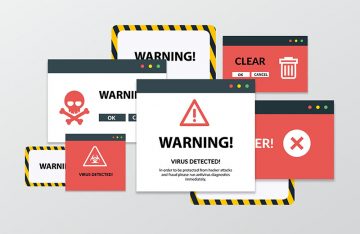
The "You've visited illegal infected website" pop-up scam is a misleading message that falsely claims to be a security alert from McAfee Corp. This deceptive notification has no connection to McAfee Corp. or its security products. It is designed to trick users into taking unnecessary actions that could compromise their devices or personal information.
How Users Encounter This Scam
Users typically land on scam-promoting pages like this one through mistyped URLs, intrusive advertisements, or redirects initiated by questionable websites. Additionally, some potentially unwanted applications (PUAs) installed on a system may trigger these redirects by running background scripts that lead users to misleading web pages.
False Claims Used to Create Urgency
The scam warns that the user's device may have been compromised after visiting an unsafe website containing illegal content. To heighten the sense of urgency, users are urged to initiate an immediate system scan using the deceptive webpage. It is crucial to note that no website can perform system scans or detect security issues. Any site making such claims should be treated with suspicion.
Here's what the pop-up says:
Security Alert
You've visited illegal infected website
You have visited unsafe site with illegal content
Your PC is at risk of being infected by viruses
To continue browsing safely - perform an antivirus scan
The True Purpose Behind the Scam
Scams like the "You've visited illegal infected website" pop-up are primarily designed to promote questionable software. Software endorsed through these tactics often includes fake security tools, adware, and browser hijackers. Installing such programs may negatively impact system performance, alter browser settings, and lead to an influx of unwanted advertisements.
Attempts to Extract Money or Personal Information
In some cases, these scams go beyond software promotion and attempt to extract payments from unsuspecting users. They may request fake subscription fees, encourage users to register for unnecessary services or redirect them to dubious payment platforms. These payment portals could collect sensitive information such as banking details, credit card numbers, and personal identification data, which could be misused for fraudulent purposes.
The Risks Associated with Trusting These Scams
Engaging with fraudulent alerts like this one can lead to multiple security and privacy concerns. Users who download promoted software may unknowingly allow intrusive applications onto their systems, potentially exposing them to further advertising-driven threats. Moreover, sharing financial or personal details on untrustworthy platforms can result in financial losses or even identity theft.
How to Handle a Persistent Scam Pop-Up
Some deceptive web pages may attempt to prevent users from closing the browser window by repeatedly displaying pop-ups. In such cases, the best course of action is to terminate the browser process using the Windows Task Manager. However, users should be cautious when reopening their browser to avoid restoring the previous session, as doing so may reload the same scam page.
Imitating Trusted Names to Appear Legitimate
Many online scams use the names of well-known security providers to appear credible. Similar schemes include fake warnings such as "McAfee - Your PC is infected with 5 viruses!", "Microsoft Windows Virus Alert," and "Norton Security - Your PC is infected with 5 viruses!". These deceptive messages aim to instill fear and push users into following fraudulent instructions.
The Internet’s Growing Landscape of Deceptive Content
Beyond fake security alerts, various online scams exploit different methods to mislead users. Some scams falsely claim that software updates are missing, while others offer fake lottery winnings or unbelievable shopping deals. Regardless of their format, all of these scams share the same objective—tricking users into taking actions that benefit the scammers at their expense.
The Role of Potentially Unwanted Applications in Redirects
Some unwanted applications are specifically designed to promote scams by redirecting users to deceptive web pages. These applications often spread through software bundles, where additional programs are included within installers of unrelated applications. Once installed, they may modify browser settings and generate intrusive ads that lead users to misleading sites.
How to Stay Safe from Such Deceptive Tactics
Users should be cautious when downloading software to minimize the risk of encountering online scams. It is always advisable to obtain applications from official sources and to avoid third-party platforms that commonly distribute bundled programs. When installing software, opting for "Custom" or "Advanced" installation settings allows users to deselect unwanted additions.
The Hidden Dangers of Intrusive Advertisements
While some online ads may seem harmless, they can serve as gateways to questionable content. Clicking on intrusive advertisements can lead users to untrustworthy pages promoting risky software, scams, or adult content. Being mindful of the websites visited and avoiding suspicious links can help reduce exposure to such deceptive tactics.
A Final Thought
As scams continue to evolve, staying informed is key to recognizing and avoiding deceptive tactics. Understanding how fraudsters operate, being skeptical of urgent security warnings, and practicing safe browsing habits can help users maintain control over their online security. By remaining cautious, individuals can navigate the digital world with greater confidence and awareness.