Think Before You Click: Take Immediate Action Email Scam

Table of Contents
The Hook That Catches You
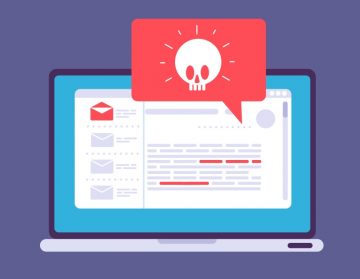
Have you ever gotten an urgent email saying your account has been restricted due to suspicious activity? It might read something like, "Unusual activity detected—verify your account immediately to restore access." While it may look official, this type of email is often a scam. Known as the "Take Immediate Action" email, it's designed to lure recipients into revealing sensitive personal information through a process known as phishing.
What the Email Claims
These emails often carry subject lines like "Please verify your account [your_email_address]" or something similarly alarming. The body typically states that security measures have been taken due to suspicious account activity and certain features have been restricted. To unlock your account, the message urges you to verify your identity by clicking a link.
On the surface, this seems like a sensible security protocol. But in reality, there's no real threat—just a fraudulent attempt to trick you.
Here's one of such fraudulent messages:
Subject: Please verify your account XXXXXXX
VERIFY XXXXXXX
Take Immediate Action
We've detected unusual activity associated with your account. To ensure your security, certain features have been restricted temporarily.
Please confirm this activity and restore your account's functionality by verifying your email:
Verify My Email
If you believe this action was taken in error, please contact our support team immediately.
Thank you for your cooperation.
© 2025. All rights reserved.
What’s Really Going On
Despite appearing authentic, these messages are not affiliated with any actual service provider. Instead, they lead users to phishing websites. These sites often mimic legitimate email login pages, but any credentials entered there go directly to cybercriminals.
Sometimes, phishing websites are temporarily offline. This may give a false sense of safety, but make no mistake—the infrastructure behind the scam can easily become functional again in future waves of the campaign.
Why This Is Dangerous
Handing over your login information can give scammers access to not just your email but also every account tied to it. Think about the services linked to your inbox: social media, cloud storage, online banking, e-commerce sites, and more.
With full access, scammers can impersonate you, solicit money from your contacts, spread malware, or commit fraud using your identity. If the compromised email is linked to financial services, they could make unauthorized purchases or transactions, leading to significant monetary loss.
Not Just About Email Credentials
These scams often don't stop at login credentials. They may also try to collect other personal information—names, addresses, phone numbers, and even payment details. The same deceptive tactics can be used in various themed emails, such as fake invoices, password change requests, or "policy updates" from known companies.
In some cases, these emails serve as a delivery method for malware. The attachments or links may contain infected files that, when opened, install harmful software on your device.
How Malware Sneaks In
The files attached to scam emails come in many formats: Word or Excel documents, PDFs, ZIP archives, and even JavaScript files. Some files require user interaction to trigger the malware—like enabling macros or clicking embedded elements—while others can infect your system the moment they're opened.
Once installed, the malware can steal data, monitor your activity, or allow further access to your device from remote attackers. This broadens the threat well beyond just one email.
How to Protect Yourself
To guard against scams like the "Take Immediate Action" email:
- Think before you click. Don't follow links in suspicious or unexpected emails.
- Verify the sender. Check the email address carefully—scammers often use addresses that look similar to real ones.
- Avoid urgent calls to action. Real companies rarely demand instant action via email.
- Keep software up to date. Use official channels for updates and avoid pirated or third-party tools.
- Use multi-factor authentication (MFA). Even if your password is cracked, MFA adds another layer of security.
What to Do If You’ve Been Tricked
If you suspect you've entered your credentials on a phishing site, act fast:
- Change your passwords immediately, starting with your email and then any linked accounts.
- Contact the official support teams of affected services.
- Monitor your accounts for unusual activity.
- Enable MFA if you haven't already.
Bottom Line
Email scams like "Take Immediate Action" are a modern version of the classic con. They rely not on brute force but on urgency and fear. By knowing how these scams work and staying vigilant, you can safeguard yourself and others from falling into their traps. Don't forget that it takes just one wrong click to open the door—but it also only takes a moment of caution to keep it closed.