ShareFile - Invoice Copy Email Scam
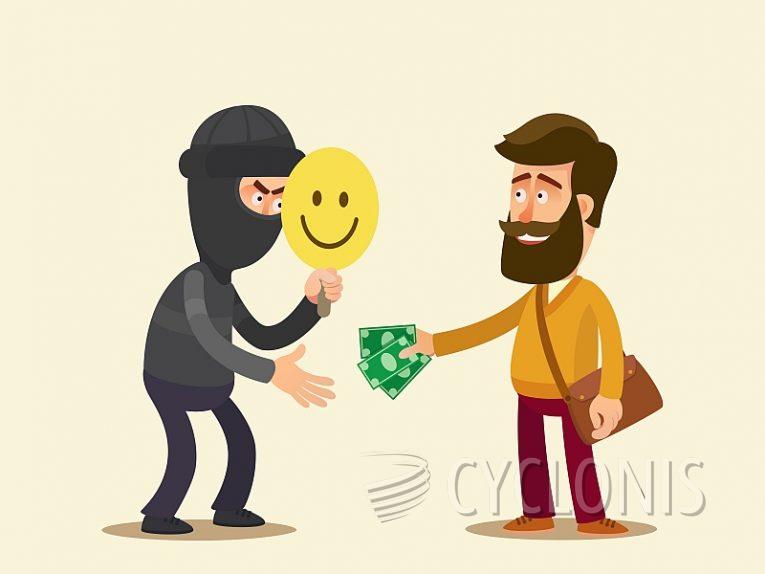
Following our examination of the "ShareFile - Invoice Copy" email, it became evident that this is a phishing attempt. This fraudulent message aims to obtain email account login credentials (such as passwords) through a mimic website.
The spam email, often titled "SOA - Invoice copy on 3/19/2024 3:46:35 p.m." (subject may vary), claims to contain an invoice sent via ShareFile. Recipients are prompted to review the purported PDF document by clicking the "OPEN INVOICE" button.
It's important to emphasize that this information is false, and the email is not affiliated with the ShareFile platform or any legitimate products or services.
Upon investigating the phishing website promoted in this email, we discovered that it mimics the recipient's email sign-in page. Any login credentials entered on this deceptive webpage are captured and transmitted to scammers. The risk extends beyond the compromise of a single account since emails are commonly used to register for other accounts, platforms, and services. As a result, cybercriminals may gain access to linked content.
Expanding on potential abuses, scammers could use stolen identities of account owners (including emails, social media, messengers, chats, etc.) to solicit loans or donations from contacts, promote scams, or disseminate malware through sharing malicious links or files.
Compromised finance-related accounts (e.g., online banking, money transfers, e-commerce, etc.) could be exploited for fraudulent transactions or online purchases.
Furthermore, sensitive or confidential content stored on data storage or similar platforms could be leveraged for blackmail or other malicious purposes.
How Can You Recognize a Scam Email?
Recognizing a scam email requires careful scrutiny and awareness of common characteristics and red flags. Here are some key indicators to help identify a scam email:
Suspicious Sender: Check the sender's email address carefully. Scammers often use email addresses that mimic legitimate organizations but contain slight variations or misspellings.
Unsolicited Emails: Be cautious of emails that you didn't expect or didn't initiate. Scammers often send unsolicited emails to a large number of recipients in the hope of finding victims.
Urgent or Threatening Language: Scam emails often use urgent or threatening language to create a sense of panic or urgency. They may claim that immediate action is required to avoid negative consequences.
Poor Grammar and Spelling: Many scam emails contain grammatical errors, spelling mistakes, or awkward phrasing. Legitimate organizations typically proofread their communications carefully.
Requests for Personal Information: Be wary of emails that request sensitive personal information, such as passwords, Social Security numbers, or bank account details. Legitimate organizations typically don't ask for this information via email.
Unexpected Attachments or Links: Avoid opening email attachments or clicking on links from unknown or suspicious senders. These could contain malware or lead to phishing websites designed to steal your information.
Unusual Requests for Money: Be cautious of emails that request money or financial assistance, especially if they come from someone you don't know or trust. Scammers often use sob stories or fake emergencies to manipulate victims into sending money.
Impersonation of Trusted Organizations: Scammers may impersonate trusted organizations, such as banks, government agencies, or popular companies, to gain credibility and deceive victims.