What Lies Behind the Remittance Note Email Scam
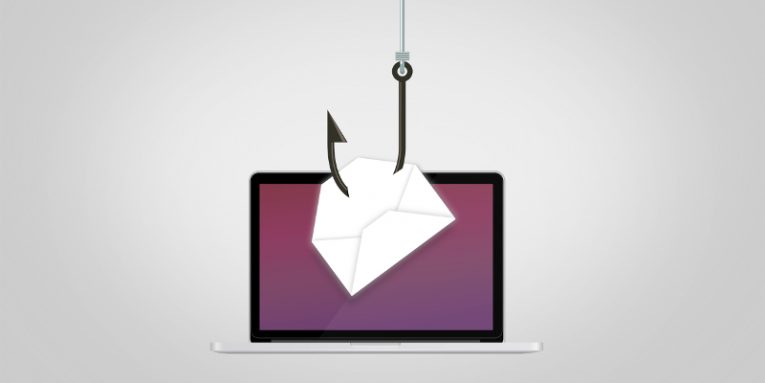
Table of Contents
Deciphering the Remittance Note Email Scam
The Remittance Note Email scam operates under the guise of legitimacy, promising recipients a remittance note containing payment details. However, beneath this veneer lies a malicious intent – to trick the unsuspecting individuals into interacting with their links disguised as an attachment. This link leads to a phishing page designed to harvest sensitive information from users, posing significant risks to their online security and privacy.
Understanding Phishing
At the heart of scams like the Remittance Note Email scam is phishing – a form of cybercrime aimed at tricking individuals into divulging personal information or credentials. Phishing emails often masquerade as legitimate communications from trusted sources, enticing recipients with urgent requests or offers. These emails typically come with malicious links or attachments to lure unsuspecting users into unwittingly disclosing sensitive information.
Here are the email message contents of the Remittance Note Email Scam:
the email scam contents:
Good morning,
Please find attached remittance note, the payment will reflect on your account in two working days as advised.
Best Regards.
This e-mail may contain confidential and/or privileged information.. The information is intended for the addressee only. If you are not the addressee, any disclosure, copy, distribution or use of contents of this message is prohibited. If you have received this electronic message in error, please destroy the original message and all copies.
The Objectives of Phishing Scams
Phishing scams, including the Remittance Note Email scam, aim to obtain valuable sensitive information like login credentials, financial details, and other personal data. Scammers may exploit stolen credentials to access victims' accounts, extract sensitive information, or hijack their accounts to send spam, phishing emails, or malicious links to contacts. Furthermore, stolen credentials may be sold on the dark web, where they can be purchased by other cybercriminals for nefarious purposes.
Protecting Yourself Against Phishing Scams
Avoiding falling victim to phishing scams requires vigilance and proactive measures. Exercise caution when dealing with unexpected or irrelevant emails containing links or attachments, especially those urging urgent action. Verify the legitimacy of email communications by scrutinizing sender addresses and domain names for any discrepancies or signs of spoofing.
Best Practices for Avoiding Malware Installation
To mitigate the risk of malware installation via email, refrain from interacting with suspicious links or attachments, particularly those from unknown or untrusted sources. Utilize official websites and app stores when downloading software and files, and exercise caution when clicking on ads, pop-ups, or buttons on unfamiliar websites.
Maintaining Robust Cybersecurity
Regularly update all applications and your operating system, conduct routine scans for threats, and employ reputable security tools to detect and eliminate malware. If malicious attachments have been opened, utilize antivirus software to automatically remove infiltrated malware and restore the integrity of your system.
Thus, staying informed about the risks posed by scams like the Remittance Note Email scam is necessary if you want to safeguard personal information and maintain online security. By understanding the tactics employed by scammers, exercising caution when dealing with email communications, and adopting robust cybersecurity practices, individuals can protect themselves against phishing scams and mitigate the risk of falling victim to cybercrime.