Why PrivAci May Not Be As Good As It Seems

New cybersecurity threats emerge regularly, posing risks to users' privacy and system integrity. One such threat is PrivAci, a potentially unwanted program (PUP) found during a routine investigation on a torrenting website. Here's what you need to know about PrivAci and the nature of potentially unwanted programs.
Table of Contents
What is PrivAci?
PrivAci is categorized as a potentially unwanted program. These programs often come bundled with other dubious software. The same applies to PrivAci, which was found in a bundled installer promoted by a deceptive webpage linked to rogue advertising networks. While PrivAci may appear harmless at first glance, it possesses functionalities that can be detrimental to the user's system and privacy.
The Capabilities of Potentially Unwanted Programs
Potentially unwanted programs typically have several harmful capabilities. One of the most common is data tracking. These programs can collect various types of information, including browsing and search engine histories, internet cookies, usernames, and other personally identifiable details. This data is often sold to third parties or otherwise misused for profit.
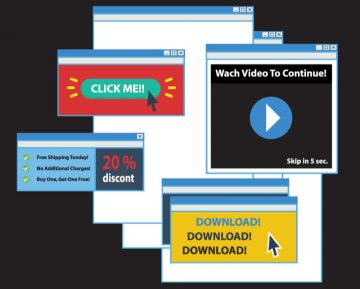
Another prevalent functionality of PUPs is acting as adware. They can display intrusive ads and generate redirects, leading users to unwanted and sometimes malicious content. These ads can appear as pop-ups, coupons, overlays, or banners on visited websites and other interfaces. Clicking on these ads can result in stealthy downloads or installations of more unwanted software.
Browser Hijacking and Misleading Content
Browser hijacking is another tactic employed by PUPs. This involves altering browser settings, such as homepages, default search engines, and new tab settings, to promote fake search engines. Users are then redirected to these promoted sites whenever they open a new tab or enter a search query. These illegitimate search engines typically redirect users to legitimate search websites like Yahoo, Bing, or Google but may also display inaccurate search results filled with sponsored, unreliable, or deceptive content.
The Dangers of PUPs
The presence of PUPs on a system can lead to significant issues. Unwanted programs can cause system infections, severe privacy breaches, financial losses, and even identity theft. They may also create various system disruptions and degrade overall performance. Despite appearing legitimate and useful, PUPs seldom operate as promised, and their advertised features are often nonfunctional.
How PrivAci and PUPs Spread
PrivAci was found in an installer downloaded from a deceptive webpage accessed via a redirect from a torrent site using rogue advertising networks. PUPs often spread through similar methods, including intrusive ads, mistyped URLs, spam browser notifications, and existing adware. "Bundling" is a common distribution technique where regular program installation setups are packed with unwanted supplements.
Downloading software from unreliable sources like third-party websites or peer-to-peer networks and rushing through installation processes increases the risk of unintentionally installing bundled content. Intrusive ads can also execute scripts to perform sneaky downloads or installations upon being clicked.
Preventing PUPs from Infiltrating Your System
To protect your system from PUPs like PrivAci, it's essential to follow certain precautions. First, always research software and download it only from official and verified sources. During installation, take the time to read the terms and explore available options. Use the "Custom" or "Advanced" settings to opt out of any supplementary apps, extensions, or features you do not want.
Safe Browsing Practices
Exercise caution while browsing the internet. Fake and malicious content often appears genuine and harmless. Intrusive advertisements, for example, may seem innocuous but can redirect users to unreliable and questionable sites, including those promoting scams, gambling, adult dating, or pornography. Avoid clicking on such ads and be wary of any suspicious links or downloads.
Final Thoughts
While PrivAci may not be classified as a severe threat, it exemplifies the risks associated with potentially unwanted programs. By understanding their capabilities and adopting safe browsing and downloading practices, users can mitigate the risks and maintain the integrity and security of their systems. Staying informed and vigilant is crucial in the ongoing battle against these digital threats.