Pioneer Kitten APT's Shadowy Threat: How to Protect Against It

Few actors have gained as much notoriety as the Pioneer Kitten Advanced Persistent Threat (APT) group in recent years. Tied to Iran, this group has been at the forefront of numerous cyber operations, targeting a wide array of sectors in the United States and beyond. Understanding who they are, how they operate, and what measures can be taken to defend against them is crucial for any organization aiming to safeguard its digital assets.
Table of Contents
What Is Pioneer Kitten?
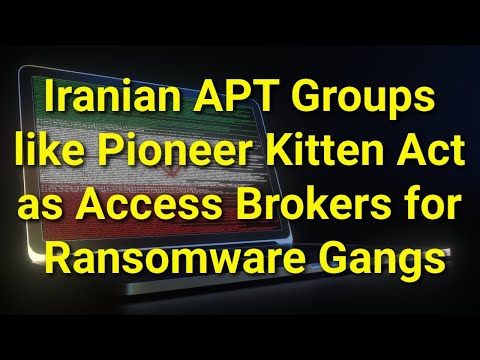
Pioneer Kitten, also known by various aliases such as UNC757, Parisite, Rubidium, and Lemon Sandstorm, is a hacking group believed to be sponsored by the Iranian government. While their official mission is purportedly linked to Iran's geopolitical interests, such as hack-and-leak campaigns to undermine adversaries, their activities have taken a decidedly financial turn in recent years. Pioneer Kitten has been observed acting as a broker for ransomware gangs, facilitating access to compromised networks in exchange for a share of the illicit profits.
Interestingly, while the group appears to operate under the radar of Tehran's official oversight, there are indications that the Iranian state might not fully sanction their ransomware activities. Instead, members of Pioneer Kitten, operating under the guise of an IT company named Danesh Novin Sahand, may be engaging in these financially motivated attacks independently, albeit with the implicit protection that their ties to the government afford them.
How Pioneer Kitten Operates
Pioneer Kitten's operations typically begin with exploiting vulnerabilities in internet-facing services. Recently, they have been identified using tools like Shodan, a search engine for internet-connected devices, to locate vulnerable systems. Their targets have included Check Point Security Gateways, Palo Alto Networks PAN-OS, Citrix, and F5 BIG-IP devices. Exploiting these vulnerabilities allows them to breach a network's defenses and gain initial access.
Once inside, the group employs a range of techniques to escalate privileges and establish a foothold within the network. These tactics include capturing login credentials, deploying web shells, creating or hijacking user accounts, and disabling security software. They are known to favor tools like AnyDesk for remote access and Ligolo or NGROK for tunneling traffic out of the compromised network. Pioneer Kitten also uses PowerShell Web Access, a Windows feature, to maintain command and control over the infected systems.
After securing their access, the group often collaborates directly with ransomware affiliates. Their involvement goes beyond simply providing access; they actively encrypt data and negotiate ransoms. This collaborative approach allows them to maximize their earnings while also complicating efforts to track and attribute their attacks to a single entity.
Defending Against Pioneer Kitten
Given the sophisticated nature of Pioneer Kitten's operations, defending against their attacks requires a proactive and layered security approach. Here are some key strategies organizations can adopt:
- Patch Management: Regularly update and patch all software, particularly internet-facing services like VPNs and security gateways. Pioneer Kitten often exploits known vulnerabilities, making it imperative to address these issues promptly.
- Zero-Trust Architecture: Implementing a zero-trust security model can significantly reduce the risk of an attacker moving laterally within a network. This approach requires strict verification for any device or user accessing network resources.
- Endpoint Protection: Deploy advanced endpoint detection and response (EDR) solutions to monitor and protect endpoints from unusual activities, such as privilege escalation or the disabling of security tools.
- Network Segmentation: By dividing the network into isolated segments, organizations can limit the damage in case of a breach. This makes it harder for attackers to move from one part of the network to another.
- Regular Security Audits: Conduct thorough and frequent security assessments to identify potential vulnerabilities and weak points in the network's defenses.
- Incident Response Planning: Prepare for the possibility of a breach by developing and regularly testing an incident response plan. This plan should include protocols for isolating affected systems, communicating with stakeholders, and restoring operations.
The Road Ahead
Pioneer Kitten represents a growing trend in which state-sponsored actors blur the lines between espionage and financially motivated cybercrime. Their ability to collaborate with ransomware gangs and their persistent efforts to exploit vulnerabilities make them a formidable threat. However, by staying informed about their tactics and maintaining robust cybersecurity practices, organizations can significantly reduce their risk of falling victim to this elusive group.
In today's digital age, vigilance and preparedness are key. As Pioneer Kitten continues to evolve, so must the strategies employed to defend against them.
Why Beware Of Pioneer Kitten APT Iranian Hacker Group Acting As Ransomware Brokers