Don't Give Away Your Sensitive Information To the Password Credentials Email Scam

Table of Contents
The Disguise Behind the Scam
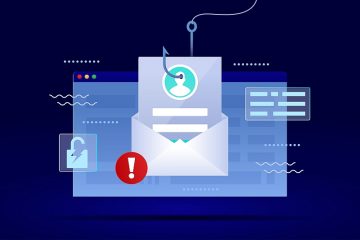
The Password Credentials Email Scam is a phishing scheme designed to trick individuals into sharing their email login details. These fraudulent emails often pose as urgent notifications from email service providers, claiming that the recipient's password is about to expire. By mimicking the style and tone of legitimate service emails, scammers aim to exploit user trust and gain access to private information.
How the Scam Works
The email warns recipients that their account will be deactivated unless immediate action is taken. To maintain their current password, users are directed to click a link embedded in the message. This link leads to a website designed to look identical to the login page of the user's actual email provider, such as Gmail or Outlook. On this fake page, victims are prompted to enter their email credentials, unknowingly handing over sensitive information to cybercriminals.
Here's how it all starts:
Subject: Password Credentials XXXXXXX
Password Credentials
Your password validation expires 2/12/2024 12/2/2024 10:50:14 p.m. your Email XXXXXXX will be closed automatically.Click below to maintain the same password.
Keep the same password
Webmaster for XXXXXXX Account and services.
© 2024
The Consequences of Stolen Email Credentials
Once scammers have access to your email account, they can exploit it in numerous ways. Common tactics include:
- Stealing personal information.
- Resetting passwords for other accounts.
- Using the compromised email to impersonate the victim.
Such actions enable scammers to contact the victim's associates, spread fraudulent messages, or distribute harmful links and files.
Broader Implications of Compromised Accounts
Cybercriminals frequently attempt to reuse stolen credentials across other platforms, such as social media, gaming accounts, or online banking services. This is particularly effective if users have reused passwords across multiple accounts. Stolen credentials are often sold on dark web marketplaces, making victims vulnerable to identity theft and financial fraud.
Telltale Signs of Phishing Emails
Phishing emails are carefully crafted to appear urgent and demand immediate attention. They often contain poor grammar, vague messaging, and suspicious links. These messages may even include fake deadlines or threats to increase pressure on recipients. Some scams also use phishing emails to distribute harmful software, which can lead to further device compromise.
Examples of Phishing Tactics in Action
Several common phishing campaigns have used similar strategies. For instance, emails titled "Zoho WorkDrive" or "Vendor Registration Process" have tricked recipients into clicking malicious links. Others, such as fake contracts or inheritance notifications, use enticing promises to lure victims. These emails may also include attachments, such as executable files or documents requiring macros, which activate harmful software once opened.
The Role of Malicious Attachments and Links
Deceptive emails often include attachments or links designed to infect devices. Clicking these links may lead users to fraudulent websites that download harmful files automatically or encourage manual installation. Attachments, particularly executable files, can immediately compromise a device, while documents requiring macro activation serve as another vector for harm.
Practical Tips to Stay Safe
Vigilance is key to protecting yourself against phishing scams like the Password Credentials Email Scam. Be cautious when opening links or attachments in unexpected or irrelevant emails, especially those from unknown senders. Refrain from interacting with pop-ups, ads, or content on suspicious websites, as they can lead to harmful destinations.
Securing Your Online Presence
To enhance your security, only download files and software from reliable sources, for example, official websites or reputable app stores. Avoid using platforms associated with questionable practices, including peer-to-peer networks, third-party downloaders, or sites offering pirated software. Keeping your operating system and software up to date also helps close vulnerabilities that cybercriminals may exploit.
Why Awareness Matters
The Password Credentials Email Scam highlights the importance of being alert to online threats. Recognizing the signs of phishing emails and adopting safe browsing habits can reduce the risk of encountering such schemes. Staying informed and exercising caution with your online interactions is essential in maintaining a secure digital environment.
By understanding how scams like these operate and taking proactive measures to protect your accounts, you can navigate the digital world with better security.