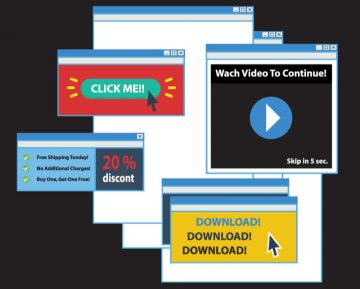
Ooumoughtcall.com Tries to Mislead Users into Accepting Ads
During our examination of the website ooumoughtcall.com, we have uncovered its deceptive nature, as it employs misleading tactics to persuade visitors into granting notification permissions. It is important to approach ooumoughtcall.com with caution and avoid placing trust in its content.
Ooumoughtcall.com presents a loading icon along with a message that urges visitors to click the "Allow" button in order to proceed. The website creates the illusion that its content will only be accessible upon clicking the mentioned button. However, in reality, ooumoughtcall.com employs clickbait techniques to entice visitors into consenting to receive notifications.
Notifications originating from ooumoughtcall.com may lead users to websites that promote fraudulent activities, including fake lotteries, phishing scams, or investment fraud. These websites aim to deceive visitors into disclosing personal information, financial details, or making unauthorized payments.
Furthermore, the notifications can redirect users to websites that endorse dubious or potentially harmful software, as well as other untrustworthy webpages. Additionally, ooumoughtcall.com has the ability to download a potentially hazardous file, which could contain adware, a browser hijacker, or even malicious software such as ransomware. Therefore, it is strongly advised to refrain from visiting ooumoughtcall.com and denying it permission to send notifications.
How Can Misleading Websites Abuse Push Notifications to Spam Ads?
Misleading websites can abuse push notifications as a means to spam ads and engage in deceptive advertising practices. Here's how they typically exploit push notifications:
- Deceptive consent: Misleading websites use manipulative tactics to trick visitors into granting permission to receive push notifications. They may display misleading messages, fake buttons, or create a sense of urgency to persuade users to click the "Allow" button.
- Unwanted notifications: Once users have granted permission, these websites can send a barrage of unwanted notifications directly to users' devices. These notifications can appear as ads, pop-ups, or alerts, even when users are not actively browsing the website.
- Clickbait content: Misleading websites often employ clickbait techniques to entice users to click on their notifications. They may use sensationalized headlines, false promises, or enticing offers to lure users into engaging with their ads.
- Redirects to untrustworthy sites: Push notifications from misleading websites can lead users to other untrustworthy websites. These sites may promote scams, malicious downloads, fake software updates, or other fraudulent activities, putting users at risk of malware infections, financial loss, or identity theft.
- Persistence and difficulty in removal: Some misleading websites use persistence techniques to prevent users from revoking notification permissions or removing the website's influence. They may employ hidden scripts, browser modifications, or other tactics to maintain control over push notifications, making it challenging for users to disable them.
To protect against the abuse of push notifications by misleading websites, it is crucial to exercise caution while browsing and be vigilant when granting permission for notifications. Avoid interacting with suspicious or unfamiliar websites, carefully review the content and requests before granting permission, and regularly review and manage notification settings in your browser or device to prevent unwanted or deceptive notifications.