Exposing the NodePay Claims Scam: How It Targets Cryptocurrency Holders
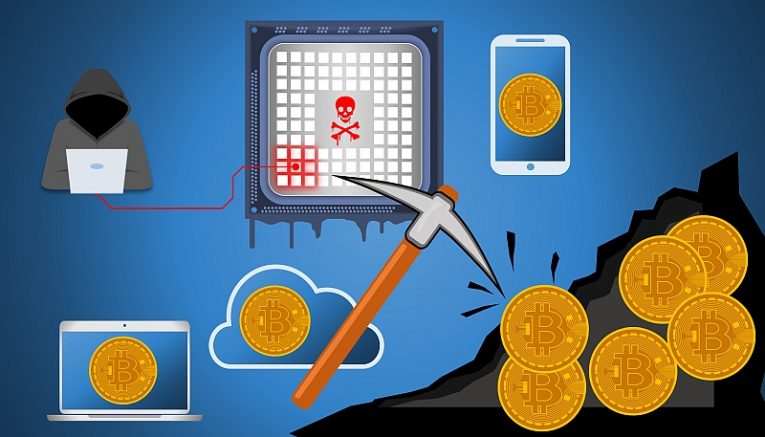
Cryptocurrency enthusiasts, beware: a fraudulent webpage masquerading as NodePay’s official platform is preying on unsuspecting users. This fake “NodePay Claims” site exploits trust in a familiar brand to steal digital assets. Understanding how this scam works and practicing safe online habits is crucial to staying protected in an increasingly digital world.
Table of Contents
Impersonating NodePay: A Deceptive Façade
The NodePay Claims Scam relies on impersonation to lure victims. Posing as the official NodePay platform, the fraudulent page mimics the interface and branding of NodePay—a legitimate browser extension designed to allow users to share idle internet bandwidth and anonymized data for AI training purposes. However, it is important to emphasize that this fake site has no connection to NodePay or any other legitimate organization. Its sole aim is to deceive users into giving access to their cryptocurrency wallets.
The Setup: How Victims Are Drawn In
The scam begins with an invitation to apply for “early access” on the fraudulent website. This might sound enticing to cryptocurrency enthusiasts eager to explore new opportunities. However, upon attempting to connect their digital wallets to the site, victims unwittingly activate a crypto-draining mechanism. By signing a malicious contract embedded in the site, users allow scammers to execute automated transfers from their wallets, stealing their digital assets in seconds.
A Hidden Danger: Stealthy Crypto Drainers
Crypto drainers like the one used in the NodePay Claims Scam are particularly insidious because they operate in ways that may remain undetected for extended periods. These tools are designed to evaluate the contents of a connected wallet, targeting and prioritizing the theft of high-value assets. Since cryptocurrency transactions are nearly untraceable and irreversible, victims have little recourse once their funds are transferred to scammer-controlled wallets.
Wider Implications of Cryptocurrency Scams
The NodePay Claims Scam highlights a broader trend of cybercriminals targeting cryptocurrency users. Scams in this sphere typically fall into three categories: stealing wallet credentials, transferring funds directly, or using draining mechanisms. Despite their differences in approach, these scams share a common goal—to generate revenue at the victim’s expense.
Given the prevalence of such schemes and their often sophisticated designs, vigilance is essential when navigating cryptocurrency-related opportunities online. Scam websites may appear highly convincing, leveraging professional designs and technical jargon to build false trust.
How Are Cryptocurrency Scams Promoted?
Cryptocurrency scams are typically propagated through a mix of deceptive methods. One of the most common is malvertising—ads that appear legitimate but lead to harmful sites. These advertisements may promise free tokens, exclusive offers, or early access to services, enticing users to connect their wallets. Intriguingly, such malicious ads have been found on otherwise legitimate websites compromised by rogue advertising networks.
Social media is another vehicle for promoting crypto scams. Fraudulent posts or direct messages from hacked accounts of celebrities, influencers, or companies create an illusion of legitimacy. The false endorsement and promises of significant rewards lure in victims.
Staying Safe in the Face of Digital Threats
As online scams become more sophisticated, adopting proactive measures is the best defense. Always verify the authenticity of websites before engaging with them. Double-check URLs for inconsistencies or minor misspellings, which are common in typosquatting scams. Be wary of promises that seem too good to be true—legitimate offers are rarely presented in this way.
Browser notifications from unknown sites should be blocked, as they often serve as entry points for malicious ads or content. Additionally, avoid interacting with questionable platforms, such as torrenting sites or illegal streaming services, as they frequently rely on rogue advertising to generate revenue.
The Importance of Downloading Safely
Even outside of cryptocurrency, scammers use deceptive techniques to compromise users’ devices. Downloading software or content only from official, verified sources is a critical safety measure. During installations, choose custom or advanced settings to review and reject bundled programs that may pose security risks.
When dealing with emails or messages, exercise caution. Attachments or links from unfamiliar or irrelevant senders should never be opened. These could serve as delivery mechanisms for phishing attempts or malware.
Key Takes: Protecting Your Digital Assets
The NodePay Claims Scam is a stark reminder of the risks faced by cryptocurrency users. By exploiting trust in well-known platforms, cybercriminals can drain wallets and leave victims without recourse. Staying vigilant, practicing good online hygiene, and taking proactive measures are key to avoiding scams of this nature.
As the digital world evolves, so do the tactics of those seeking to exploit it. By staying informed and cautious, cryptocurrency users can continue to engage in this innovative space without falling victim to fraud. Protect your assets, verify sources, and never let promises of quick rewards cloud your judgment.