DANGER: Mailbox Issue Identified Email Scam
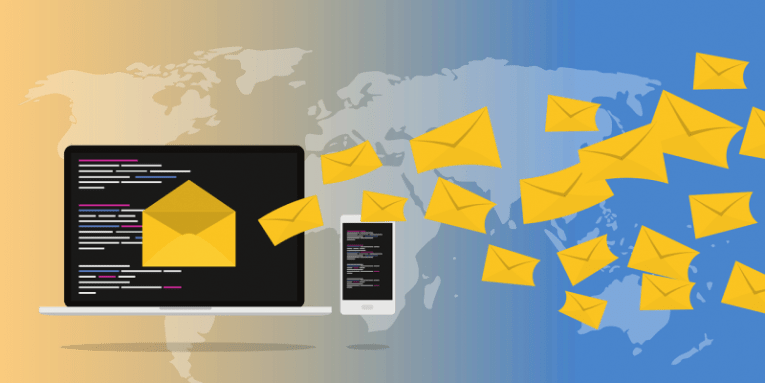
The "Mailbox Issue Identified" email is a deceptive phishing venture designed to trick recipients into believing that their email service is facing a critical issue. The fraudulent message falsely warns users that a mailbox error has been detected and could cause service interruptions. The email then urges recipients to take immediate action by clicking a provided link, leading them to a fake login page.
Table of Contents
The True Intent Behind This Scam
This email is not affiliated with any legitimate service provider. Instead, it is a well-crafted attempt to steal login credentials. The scammers rely on urgency and fear to pressure recipients into taking immediate action without verifying the email's authenticity. Their goal is to capture users' email addresses and passwords, which can then be exploited for various malicious activities.
How the Scam Works
The email typically contains a button labeled "LOGIN NOW" or something similar, which redirects victims to a phishing website. This site is designed to look like a genuine email login page, but instead of logging users into their accounts, it records their credentials and sends them directly to cybercriminals. While the phishing page linked in the scam email may sometimes be inactive or non-functional, fraudsters can easily update it in future versions of the attack.
Here's what the fraudulent message says:
Subject: XXXXXXX Mail Issues Identified
Mailbox ISSUE IDENTIFIED
Dear XXXXXXX,
An error has been detected in your mailbox at XXXXXXX.
To maintain secure and uninterrupted communication, please log in promptly to address and resolve this issue.
LOGIN NOW
This is an automated security alert from the email protection system of XXXXXXX.
The Risks of Falling for This Scam
If a user unknowingly enters their credentials into the phishing site, they risk losing access to their email account. Cybercriminals can then exploit the stolen credentials in several ways, such as:
- Identity Theft: Scammers can impersonate the victim to request money from contacts, spread malware, or promote fraudulent schemes.
- Financial Fraud: If the compromised email is linked to financial accounts, hackers can attempt unauthorized transactions or purchases.
- Data Breach: Emails often contain sensitive personal and business information, which can be used for blackmail or corporate espionage.
- Further Cyberattacks: Access to an email account can provide criminals with a gateway to other online platforms and services, leading to widespread security breaches.
Steps to Take if You Have Been Targeted
If you have entered your email credentials on a phishing site, take immediate action to secure your accounts:
- Change Your Passwords: Update the passwords for your email and any other accounts that use the same login details.
- Enable Two-Factor Authentication (2FA): Adding another security layer makes it harder for scammers to reach your accounts.
- Monitor Your Accounts: Watch for any unauthorized activity or suspicious login attempts.
- Contact Support: Notify your email service provider about the incident so they can help secure your account.
Recognizing and Avoiding Phishing Emails
Phishing emails are quite sophisticated as they mimic the communication styles of real businesses. However, there are key warning signs to look out for:
- Urgency and Fear Tactics: Scammers use phrases like "immediate action required" or "your account will be locked" to pressure recipients.
- Suspicious Links: Always hover your mouse cursor over links before clicking. If the destination URL looks unfamiliar or suspicious, do not proceed.
- Generic Greetings: Phishing emails tend to use generic terms like "Dear User" instead of addressing recipients by name.
- Spelling and Grammar Mistakes: While some phishing emails are professionally written, many still contain typos and awkward phrasing.
- Unsolicited Attachments or Links: Avoid opening unexpected files or clicking unknown links, as they may contain malware.
How to Protect Yourself from Email Scams
To minimize the risk of phishing emails, follow these best practices:
- Verify the Sender: If an email claims to be from your service provider, check the sender's email address for inconsistencies.
- Use Strong and Unique Passwords: Do not reuse passwords across multiple accounts to reduce the impact of a data breach.
- Keep Software Updated: Ensure your email client, browser, and security software are updated to protect against vulnerabilities.
- Download Only from Trusted Sources: Avoid downloading files or software from unknown or third-party sites, as they may contain malware.
The Bigger Picture: Email Scams and Cyber Threats
The "Mailbox Issue Identified" scam is just one example of how cybercriminals use phishing emails to steal sensitive information. Similar scams include fake banking alerts, fraudulent account verification requests, and malware-laden attachments disguised as important documents. These attacks are constantly evolving, making it crucial for users to remain vigilant and informed.
Final Thoughts
While phishing scams can be convincing, recognizing their tactics and taking appropriate measures can significantly reduce potential risks. By staying cautious and checking the legitimacy of suspicious emails, users can protect their personal and financial information from cybercriminals. Always think twice before clicking links or sharing sensitive details online—your online security depends on it.