Katz Stealer: The Digital Pickpocket Targeting Your Data

Table of Contents
What Is Katz Stealer and Why It Matters
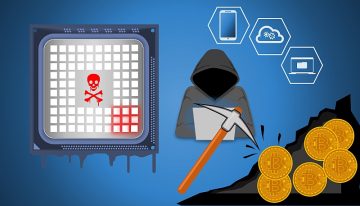
Katz Stealer is a data-harvesting tool specifically built to collect sensitive information from devices it infiltrates. Unlike more aggressive types of threats that damage files or demand ransom, this one works quietly in the background—it aims to observe, extract, and exfiltrate. It primarily targets login details, cryptocurrency wallets, browser data, and other personal or financial records. What makes Katz particularly noteworthy is its distribution model: it's marketed as Malware-as-a-Service (MaaS), meaning it's sold to cybercriminals who can then use it for their own campaigns.
Disguised and Deceptive: How It Gets In
Katz Stealer's infiltration process is both clever and flexible. It is usually hidden within compressed archives, such as GZIP files, bundled with what appears to be ordinary media or software. Once opened, these files initiate a multi-stage infection chain, often starting with a JavaScript file that downloads a PowerShell script. This script then calls on a .NET loader to inject the actual malicious code into legitimate system processes. The malware hides in plain sight, running under the disguise of trusted Windows applications.
Anti-Detection by Design
Katz is built to evade detection, not confrontation. It has a suite of tricks to avoid being spotted during analysis. For example, if the program detects that it's being executed in a virtual machine or sandbox—environments often used by cybersecurity researchers—it shuts down immediately. It also uses a tactic known as process hollowing, which allows it to insert its code into legitimate processes, making its presence harder to detect. On top of that, Katz uses geofencing: if it determines the device is in a certain region, it may not proceed with its activities at all.
What Katz Stealer Really Wants
At its core, Katz is a tool for information theft. It begins by gathering device data such as operating system details, hardware specs, IP address, and language settings. However, its primary targets are web browsers and extensions. It focuses on Chromium-based browsers like Chrome, Brave, and Edge, as well as Gecko-based browsers like Firefox. From these, it extracts browsing history, saved passwords, cookies, and other sensitive records. In particular, it looks for cryptocurrency-related browser extensions and can pull data from over 100 of them.
Cryptocurrency and Beyond
Katz doesn't stop at browsers. It is capable of extracting information from desktop cryptocurrency wallets, FTP clients, VPN tools, email software, gaming platforms, and instant messengers. It can also comb through user files by searching for keywords typically associated with cryptocurrency or finance. If that wasn't enough, it could take screenshots of the desktop and even monitor data copied to the clipboard. This allows it to potentially capture passwords, wallet addresses, or other sensitive information the moment the user copies it.
Enter TROX Stealer: A Close Relative
Katz isn't the only data thief in circulation. TROX Stealer is another program in the same category. Much like Katz, TROX is designed to operate stealthily, collect similar types of information, and send it back to the attacker. While they may differ in some technical aspects or methods of delivery, the goals are aligned: harvest user data without detection. Both can be bought and deployed by attackers with little technical knowledge, making them appealing tools in the cybercrime ecosystem.
Who’s Behind Katz and How It Spreads
The creators of Katz aren't typically the same people deploying it. Instead, they act more like developers selling a service. By offering Katz as a MaaS, they allow buyers to carry out their own campaigns. This distribution model means that the way Katz is spread can vary widely—from phishing emails and deceptive websites to poisoned search results and fake software downloads. Some users may encounter it through pop-ups, suspicious links, or compromised social media accounts. In other cases, Katz may come bundled with pirated software or unofficial game mods.
Why Awareness Is Key
Katz Stealer may operate quietly, but its presence has far-reaching consequences. It can compromise everything from social media logins to cryptocurrency holdings. Because of its stealthy nature and constantly evolving features, it is not always easy to spot. While many users expect malware to come with loud alerts or visible damage, threats like Katz prove that the most harmful programs often leave no immediate trace.
Bottom Line
Avoiding threats like Katz requires more than just technical solutions—it starts with cautious behavior. Downloading files only from trusted sources, avoiding suspicious links, and not opening attachments from unknown senders are all foundational practices. The digital world is full of promises, downloads, and pop-ups. Knowing which ones to trust can be the decisive factor between staying secure and having your data silently siphoned away.