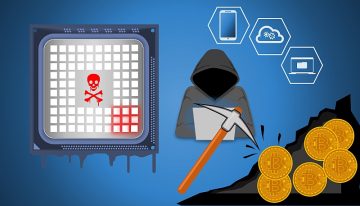
Emmenhtal: A Silent Operator in the World of Malware

Table of Contents
What Is Emmenhtal?
Emmenhtal is a sophisticated loader malware designed to infiltrate systems and deploy additional malicious software. Unlike standalone threats that directly compromise systems, Emmenhtal acts as a delivery mechanism, enabling cybercriminals to introduce more specialized malware, such as information stealers and remote access tools (RATs). This malware is particularly adept at camouflaging itself within altered yet seemingly legitimate Windows system files, making its detection more challenging.
The Core Objectives of Emmenhtal
Emmenhtal’s main purpose is to distribute malicious payloads that can perform a variety of harmful actions. By using trusted Windows tools like Forfiles, HelpPane, and PowerShell, Emmenhtal manages to avoid raising alarms during its operation. Once activated, it follows a multi-stage process, employing AES encryption to decrypt and execute its payloads. These payloads often include malware types such as Amadey, CryptBot, and Lumma Stealer, each designed for tasks like data theft, unauthorized access, and even ransomware deployment.
The Implications of Emmenhtal’s Activities
Once Emmenhtal establishes itself on a system, it creates a persistent presence, allowing it to repeatedly deploy malware without needing reinstallation. This persistence, coupled with its ability to distribute diverse threats, leads to significant risks for affected users. The consequences range from stolen login credentials and financial information to complete system compromise. In some cases, attackers may use Emmenhtal to introduce ransomware, encrypting user files and demanding payments for their release.
The Multi-Layered Approach of Emmenhtal
What sets Emmenhtal apart is its ability to evade detection. By masquerading as legitimate system files, it blends into the operating environment, making it harder for traditional security measures to identify its presence. Its use of encrypted, multi-step processes ensures that the malicious payloads remain hidden until execution, enhancing its effectiveness as a loader.
Distribution Tactics: How Emmenhtal Spreads
Cybercriminals rely on various methods to deliver Emmenhtal to unsuspecting users. Phishing emails often play a central role, tricking recipients into downloading malicious attachments or clicking on deceptive links. Fake software or video files, which mimic legitimate applications, also serve as common delivery mechanisms. These files may be shared via compromised websites, misleading advertisements, or peer-to-peer (P2P) networks.
In addition, attackers leverage vulnerabilities in outdated software, infected USB drives, and fake updates to spread Emmenhtal. By embedding the loader in altered Windows files, they make it appear as an ordinary system component, reducing the likelihood of detection.
The Broader Impact of Loader Malware
Emmenhtal belongs to a larger category of malware known as loaders, which includes examples like Venom Loader and JinxLoader. Loaders are highly versatile tools that cybercriminals use to introduce threats ranging from data stealers to ransomware. Their ability to evade detection and deliver multiple payloads makes them a significant challenge for cybersecurity professionals.
Practical Steps for Staying Protected
Protecting against loader malware like Emmenhtal begins with user vigilance. Suspicious emails, especially those containing unexpected attachments or links, should be treated with caution. Always verify the authenticity of senders before interacting with their messages. Additionally, downloading software exclusively from trusted sources minimizes the risk of inadvertently installing malicious programs disguised as legitimate files.
Another crucial step is maintaining updated security software. Reliable antivirus or anti-malware tools can help identify and block malicious activities before they cause harm. Regularly updating your operating system and software ensures that vulnerabilities are patched, further reducing the chances of exploitation by threats like Emmenhtal.
The Role of Awareness in Cybersecurity
The presence of Emmenhtal on a device underscores the growing sophistication of cyber threats. While its design as a loader may seem less direct than standalone malware, its ability to deliver harmful payloads amplifies its impact. By staying informed about such threats and practicing cautious online behavior, users can significantly reduce their exposure to these risks.
Emmenhtal represents a hidden danger within the digital landscape, operating stealthily while enabling cybercriminals to achieve their goals. However, proactive security measures and heightened awareness can help users maintain control over their digital environments, ensuring safer online experiences.