ElizaRAT: Learning About the Capabilities and Risks of a Persistent Threat

Table of Contents
What Is ElizaRAT?
ElizaRAT is a Remote Access Trojan (RAT) developed using the .NET framework. It is recognized for its adaptability and use in various cyber-espionage campaigns. Its primary focus is on gaining unauthorized access to systems and covertly exfiltrating valuable data. Though ElizaRAT was initially identified in 2023, it has been refined over time, incorporating new techniques and payloads to enhance its effectiveness and persistence.
A distinctive feature of ElizaRAT is its reliance on legitimate cloud-based services, such as Slack, Telegram, and Google Drive, for its command-and-control (C2) infrastructure. This clever use of familiar platforms helps attackers maintain communication with compromised systems while evading detection by standard security tools.
How ElizaRAT Works
ElizaRAT spreads primarily through phishing emails. These emails may include deceptive links or attachments designed to lead recipients to infected sites or download malicious files. When users interact with these links or attachments, the RAT is activated, allowing it to infiltrate the system and initiate its functions.
Once installed, ElizaRAT collects extensive system details, including the username, machine name, operating system information, and any antivirus software present. This information helps attackers tailor their activities to avoid detection and bypass existing defenses.
The RAT's capabilities are diverse and include:
- File transfer: ElizaRAT can upload and download files between the infected device and the C2 server, enabling attackers to transfer stolen data or deliver additional payloads.
- Screenshot capture: It can capture and send images of the infected system's desktop to the attackers, allowing them to monitor user activity in real time.
- Executable management: The malware can execute files already present on the compromised device, providing further control over the system.
ElizaRAT’s Advanced Features and Payloads
Over time, ElizaRAT has been upgraded to support more complex operations and integrate additional payloads. Notable among these are ApoloStealer and ConnectX. ApoloStealer is designed to locate and exfiltrate various types of user data, such as documents, images, PDFs, and presentations. ConnectX, on the other hand, broadens the malware's reach by targeting files on external storage devices like USB drives.
These payloads underscore ElizaRAT's focus on persistent, stealthy data collection. By maintaining a low profile and leveraging cloud services for communication, ElizaRAT achieves extended access to infected systems, allowing attackers to carry out long-term espionage operations with minimal risk of detection.
Implications of an ElizaRAT Infection
The consequences of an ElizaRAT infection can be significant, primarily impacting user privacy and financial security. Victims risk having their personal files, credentials, and system data stolen, which can lead to privacy breaches, identity theft, and financial losses. Moreover, the RAT's ability to capture screenshots and upload files from the victim's device can compromise confidential business information and private communications.
ElizaRAT's adaptability is bolstered by its ability to execute additional payloads, making each infection potentially more damaging than the last. The deployment of supplementary tools like ApoloStealer increases the overall impact, broadening the range of stolen data and prolonging the exposure to ongoing espionage.
How ElizaRAT Spreads and How to Stay Protected
The distribution of ElizaRAT relies on social engineering tactics, with phishing emails being a primary method. Such emails may appear legitimate, containing attachments or links designed to trick users into downloading malicious content. However, phishing isn't the only avenue. Cybercriminals may use malicious advertisements, pirated software, cracked tools, P2P networks, compromised websites, or software vulnerabilities to deliver the RAT.
To stay protected, individuals and organizations should:
- Exercise caution with email links and attachments: Verify the sender's identity before interacting with any email that contains links or files, especially if the communication is unsolicited or seems out of context.
- Avoid pirated software and unverified download sources: Download programs only from official websites or app stores to minimize the risk of unknowingly installing malware.
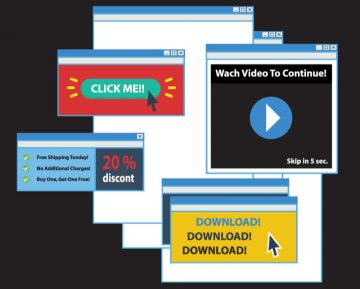
- Be wary of unexpected online interactions: Avoid clicking on ads, pop-ups, or notifications from questionable sites, and do not grant such sites permission to send notifications.
- Regular updates: Keep operating systems and installed software up to date to patch vulnerabilities that could be exploited by malware.
- Use a reliable security solution: While no solution is foolproof, maintaining reputable antivirus or anti-malware software can provide an essential layer of defense against known threats.
The Broader Landscape: RATs and Cybersecurity
ElizaRAT is one among many RATs that have emerged in recent years. Other examples, such as PowerRAT and BlotchyQuasar, highlight the diversity and complexity of these types of threats. ElizaRAT, with its cloud-based communication channels and evolving capabilities, reminds us of the ingenuity behind modern cyber-espionage efforts.
The combination of advanced techniques, such as using cloud services for C2 and integrating versatile payloads, allows ElizaRAT to remain relevant and difficult to counter. It demonstrates the importance of cybersecurity awareness and proactive measures to safeguard sensitive data against unauthorized access.
Final Thoughts
ElizaRAT exemplifies the need for vigilance in the digital realm. By understanding its methods and the potential consequences of an infection, users can adopt practices that strengthen their defenses. While the threat it poses is serious, an informed and cautious approach can greatly reduce the likelihood of falling victim to this or similar cyber-espionage tools.
How To Safely Stop & Remove ElizaRAT Remote Access Trojan From Your Computer