The Cryptopia Email Scam: A Deceptive Attempt to Steal User Credentials

Table of Contents
A Fraudulent Email Posing as Cryptopia
Scammers have been circulating fraudulent emails impersonating Cryptopia, a former cryptocurrency exchange. These deceptive emails attempt to mislead recipients into providing sensitive login details by directing them to a counterfeit website. This type of scheme, known as phishing, is designed to trick users into handing over personal information, which can then be exploited for illicit purposes.
Recognizing these fraudulent messages is crucial, as falling for them could result in account compromise, financial loss, and further cyber threats. Users who receive such emails should avoid engaging with them, including clicking on any embedded links or downloading attachments.
Cryptopia’s History and the Liquidation Process
Cryptopia was once a popular cryptocurrency exchange based in New Zealand, established in 2014. It gained traction in the crypto trading space and ranked among the top exchanges by trading volume. However, a major security breach in 2019 led to a significant loss of user funds, pushing the company into liquidation. Since then, an ongoing legal process has been in place to reimburse affected users.
Cybercriminals are now exploiting this liquidation process by sending scam emails pretending to be from Cryptopia's official liquidators. These emails falsely claim to assist users in recovering their lost cryptocurrency and provide misleading instructions on how to register their claims.
How the Scam Email Operates
The fraudulent email contains a sense of urgency, stating that recipients must submit their claims before a specific deadline. It outlines different phases of fund distribution and includes references to a dispute resolution process. To make the message seem legitimate, it includes links labeled "Claims Portal," "Customer Service Portal," and "Dedicated Information Page."
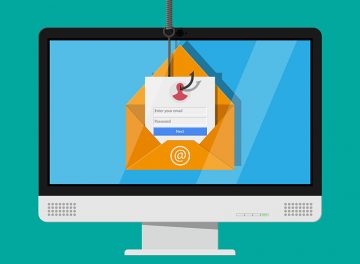
However, clicking any of these links leads to a counterfeit Cryptopia website. This fake site prompts users to enter their email addresses and passwords, unknowingly handing their login credentials to scammers. Once obtained, this information can be used to compromise various online accounts, steal funds, or facilitate further fraud.
Here's part of the message from the fraudulent email:
Subject: Cryptopia Claims: Notice to register claim before soft cut-off date
Notice to account holders
Cryptopia Limited (in Liquidation) – Important Notice for Account Holders to register claims before soft cut-off date
1. The liquidators of Cryptopia Limited (in liquidation) provide this notice to account holders (You) about the need to register your claim in the Cryptopia claims portal by 31 March 2025 (the Soft Cut-off date). Note this soft cut-off only applies to those who remain unregistered on the claims portal, if you have at least registered an account on the claims portal this cut-off will not be applicable to you.Background
2. In January 2019, the Cryptopia exchange was hacked. Cryptopia closed after the hack, re-opened for a short period, and was then placed into liquidation in May 2019.
3. On 8 April 2020, the High Court of New Zealand held that Cryptopia held the cryptocurrency on trust for the benefit of account holders. A separate trust was held to exist in respect of each coin type.
4. The liquidators have undertaken significant work in securing, reconciling and administering the cryptocurrency held on trust for account holders (Cryptocurrency). On 31 July 2023 the liquidators filed an application with the High Court for directions as to distribution to account holders. Judgment was given on 1 March 2024 by Justice Palmer. The orders can be found [here].<...>
Post-appointment deposits
22. Deposits of cryptocurrency were made to Cryptopia wallet addresses after the appointment of liquidators and while the exchange was offline. Those deposits have not been swept into Cryptopia's wallets and do not form part of the cryptocurrencies held on trust.
23. If cryptocurrency was deposited to your deposit address/account after the date of liquidation (14 May 2019), please contact the liquidators' customer service with proof of the deposit and your payment details. Once the liquidators have verified the deposit, we will arrange for the deposit to be distributed to you. Transaction costs will be deducted from the amount deposited.
24. Please note that the liquidators are not required to take any other steps to return post-appointment deposits, and post-appointment deposits will only be made to eligible account holders
Claims Portal
Customer Service PortalFor other information on the Liquidation process refer to the link below:
Dedicated Information page
The Risks of Stolen Credentials
When scammers gain access to login credentials, they may exploit them in several ways. One of the most immediate risks is unauthorized access to financial platforms, where attackers can drain funds or conduct fraudulent transactions. If the victim reuses passwords across multiple sites, the breach could extend to email, social media, and other personal accounts.
Additionally, compromised credentials may be sold on underground marketplaces, enabling other cybercriminals to engage in identity theft, phishing, or ransomware attacks. Some attackers even use hijacked accounts to distribute malware or conduct further scams while impersonating the victim.
Why Users Must Remain Vigilant
This phishing scam preys on Cryptopia's former users who are hoping to reclaim their lost assets. By mimicking official communications, the fraudsters create a convincing ruse that may deceive unsuspecting recipients. However, legitimate entities handling financial matters will never ask users to submit credentials through unverified websites.
To safeguard personal information, users should always verify the authenticity of emails before taking any action. If an email claims to be from a financial institution or exchange, it is safer to check the official website directly rather than click on embedded links.
Similar Phishing Campaigns
The Cryptopia email scam is just one of many fraudulent schemes circulating online. Other phishing attempts have been observed, including emails posing as well-known financial institutions, social media platforms, or cloud storage services. Some examples of similar scams include fake messages from "American Express – Chargeback Payment," "LinkedIn Request to Buy from You," and "Storage Space Running Low."
These scams often share common characteristics, such as urgent language, suspicious links, and requests for login credentials or personal data. Recognizing these red flags can help users avoid becoming victims.
How Phishing Emails Spread Malware
Beyond stealing credentials, fraudulent emails may also contain malicious attachments or links that distribute harmful software. These attachments can be Microsoft Office documents, PDFs, executable files, or compressed archives. In some cases, they prompt users to enable macros, which triggers the malware's execution.
Cybercriminals also use deceptive websites that automatically initiate malware downloads or trick users into installing harmful programs manually. Engaging with such content can lead to device infections, unauthorized system access, or further data theft.
Best Practices for Staying Safe Online
To reduce the risk of encountering phishing scams, users should follow these essential security measures:
- Verify email authenticity: Always check the sender's details and avoid clicking links in unsolicited messages.
- Use strong, unique passwords: Reusing passwords across multiple accounts increases vulnerability. Consider using a password manager.
- Enable two-factor authentication (2FA): Adding an additional security layer can prevent unauthorized access even if credentials are stolen.
- Download software from trusted sources: Avoid unofficial websites, third-party downloaders, or pirated software.
- Keep security software updated: Regularly update antivirus programs and perform system scans to detect potential threats.
By staying informed and cautious, users can protect themselves from phishing scams and other cyber threats that attempt to exploit personal and financial information.
How To Deal With The Cryptopia Email Scam & Prevent Data Theft