British Columbia Lottery Email Scam: What Is There To Know
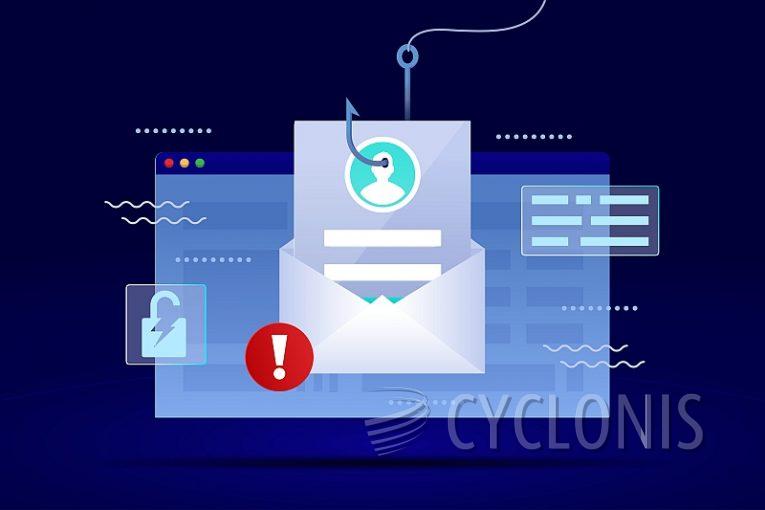
Scammers are always devising new ways to deceive unsuspecting individuals, and one of their latest schemes is the British Columbia Lottery Email Scam. Here, we shed light on how this scam operates, what it aims to achieve, and how you can protect yourself from falling victim to it.
Table of Contents
What is the British Columbia Lottery Email Scam?
The British Columbia Lottery Email Scam is a fraudulent email masquerading as an official notification from the British Columbia Lottery Corporation (BC Lottery). The email claims that the recipient has won a substantial prize—typically CA$ 2,000,000.00—from electronic sweepstakes. The supposed draw date is often July 18, 2024, though this date can vary.
Here's part of the email message:
Dear Lucky Winner,
It is apparent that this notification will come to you as a surprise but, please find time to read it carefully as we congratulate you over your success in the just concluded and official publication of results of the Electronic Online Sweepstakes organized by The BRITISH COLUMBIA LOTTERY in conjunction with the British Government and the UK Lottery Committee held on Wednesday, July 17 2024 here in Canada.
A draft of CA$2,000,000.00 (Two Million Canadian dollars) will be issued in your name as one of the lucky winners as soon as you contact our claims
agent.All winners were selected through a web ballot system drawn from over 20,000 company entries and 98,000 individual email
addresses and email names from all over the world as a promotional program takes place every year.It is important to note that your award was confirmed and released with the following winning particulars attached to it. Winning Numbers: 3 6 18 26 32 39, Bonus Number: 49 and Reference Number: BCL/73253CO/2024.
To file for your claim, please provide our claims agent center with the following details below:
Contact Person: Mr. Blaine Froggatt
Tel: +1(469) 922-3965
E-mail: claimsdispatch@live.co.uk
Deceptive Tactics Used in the Email
The scam email includes fake winning numbers and instructs recipients to contact a claims agent, typically named Mr. Blaine Froggatt, via phone or email. The email also asks recipients to complete a claims processing form with personal details, such as name, address, telephone number, nationality, etc. Additionally, recipients can choose between an online wire transfer or a certified bank cheque for receiving their prize.
The Real Objective of the Scam
While the email creates the illusion of a legitimate lottery win, the scammers' true aim is to extract personal and sensitive information from the recipients. Beyond basic personal details, scammers might also seek critical information like credit card numbers. Furthermore, recipients may be asked to pay various "administration" fees, "taxes," or other charges, which are simply ploys to steal money.
Why You Shouldn’t Respond
Responding to such emails or taking any further action can lead to severe consequences, including monetary loss and identity theft. To protect your financial and personal security, it's crucial to recognize the red flags and avoid engaging with these fraudulent communications.
Common Traits of Lottery Scams
Like the British Columbia Lottery Email Scam, lottery scams typically promise substantial monetary rewards or valuable prizes to entice recipients into divulging personal information or transferring money. These scams often create a sense of urgency, pressuring recipients to act quickly without verifying the email's legitimacy. It's important to be aware that scammers can also use email to spread malicious software.
Examples of Similar Scams
Several other email scams operate in a similar manner, including the "Global Greengrants Fund Lottery Email Scam," the "2026 FIFA World Cup Lottery Email Scam," and the "Mega Millions International Lottery." These scams follow the same basic pattern of promising large rewards to manipulate recipients into sharing sensitive information or making payments.
How Email-Based Malware Works
Cybercriminals often use email to distribute malware by attaching infected files or sending malicious links. Not all attachments will lead to immediate malware infection; for instance, malicious Microsoft Office documents require enabling macro commands to execute the malware. In contrast, executable files can deploy malware as soon as they are opened. Links in these emails can also redirect users to web pages that automatically download malware or trick users into downloading unreliable files or software.
Protecting Yourself from Email Scams
To protect yourself from email scams, check out these guidelines:
- Do not open attachments or click links in suspicious emails, especially if they come from unknown sources or unexpected addresses.
- Be cautious with advertisements, pop-ups, and prompts, especially when visiting questionable websites.
- Avoid downloading pirated software or tools designed to bypass software activation. These often come bundled with malware.
Final Thoughts
Staying informed and vigilant is the best defense against scams like the British Columbia Lottery Email Scam. Always verify the authenticity of unexpected emails, especially those promising large sums of money or requiring personal information. By recognizing the tactics used by scammers and following optimal practices for online safety, you can protect yourself from becoming a victim of these deceptive schemes.