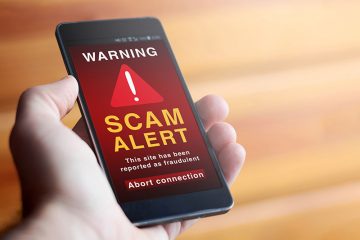
Binance Airdrop Scam: A Deceptive Trap in the Crypto World

Table of Contents
How the Scam Poses as a Genuine Opportunity
The so-called "Binance Airdrop" scam is a deceptive scheme that preys on cryptocurrency users by posing as a legitimate promotion from Binance Holdings Ltd. In reality, this scam has no ties to Binance or any other recognized platform. It capitalizes on the popularity of Binance's name and the allure of airdrops—free giveaways of digital coins—to convince people to engage.
The fraudulent website mimics Binance's branding and interface, promising users a chance to receive free tokens. However, the promise of an airdrop is a clever ruse designed to mask the actual threat lurking behind the scenes.
The Hidden Purpose of the Scam
At its core, this fake airdrop is a cryptocurrency drainer—a tool crafted to steal assets from unsuspecting users' wallets. When users attempt to join the airdrop, they are prompted to "verify" their digital wallets by connecting them to the site. This step might seem routine to crypto investors, but in this case, it authorizes a malicious contract that siphons funds from the wallet.
Once connected, the drainer operates behind the scenes, quietly moving assets to addresses controlled by the scammers. The process is automated and subtle, which often leads victims to overlook the theft until their balances are significantly reduced.
No Connection to Binance Holdings Ltd.
It's vital to stress that Binance Holdings Ltd. has no part in this scheme. The site merely exploits the brand's reputation to gain trust. Binance has not launched any such airdrop, and any claims to the contrary are false.
By associating the scam with a major player like Binance, the criminals behind it attempt to create an appearance of legitimacy. This strategy is common among fraudulent crypto campaigns aiming to leverage trust in known entities to attract and exploit victims.
Why Stolen Cryptocurrency is Hard to Recover
Unlike traditional bank transactions, cryptocurrency movements are typically irreversible. This characteristic makes crypto a convenient target for scams like the Binance Airdrop con. Once funds have been drained from a wallet and transferred to addresses owned by scammers, there's virtually no way for the rightful owner to reclaim them.
This permanent loss underscores the importance of caution when dealing with cryptocurrency wallets and offers. The quick, final nature of crypto transactions leaves little room for error or second chances.
Where the Binance Airdrop Scam Can Be Found
This scam was identified on a specific domain, but it's important to note that these schemes can appear on various sites. The tactics remain consistent, but the web addresses and promotional materials might change. New domains can pop up frequently, taking advantage of every opportunity to snare unsuspecting users.
Aside from misleading web pages, these scams often rely on aggressive promotional tactics like pop-up advertisements, suspicious browser notifications, and intrusive redirects. These methods can catch even experienced internet users off guard.
The Many Faces of Crypto Scams
The Binance Airdrop scam is part of a broader trend in cryptocurrency fraud. Other examples include the "loopedHYPE (LHYPE) Airdrop" and fake projects like "HyperLend" or "1inch Airdrop." Each of these schemes takes advantage of crypto's decentralized and borderless nature, using deceptive tactics to steal from users.
Scammers may also rely on social media spam to amplify their reach. They often hijack accounts that already have followers and credibility, using them to push fraudulent links and messages. This strategy creates the illusion of endorsement by trusted figures or organizations.
Common Endorsement Methods to Watch For
Beyond social media, scammers exploit other avenues to spread their fraudulent offers. Spam emails, text messages, and even phone calls can carry misleading links or false promises of crypto rewards. Some scammers employ tactics like typosquatting—creating URLs that closely resemble legitimate ones—to trick people into visiting fraudulent sites.
Rogue advertising networks and compromised legitimate websites also play a role. Users may see pop-up messages or redirects on sites they usually trust, adding to the risk of inadvertently engaging in these scams.
Practical Tips to Stay Secure
Navigating the crypto world safely requires a few key practices. First, always double-check the web addresses of sites you visit, especially if they promise lucrative rewards or giveaways. Avoid enabling browser notifications on suspicious sites, and be wary of pop-ups that demand immediate action.
Stick to official sources when downloading apps, wallets, or software updates. Be mindful of default installation settings—opting for "Custom" or "Advanced" setups helps ensure you're not accidentally adding unwanted programs or extensions that could lead to further threats.
A Final Word
While the Binance Airdrop scam is not the first of its kind, it highlights the importance of vigilance in the crypto space. Crypto enthusiasts must remain aware of how easily scammers can mimic trusted brands to exploit trust and curiosity. By staying cautious and informed, users can protect themselves and their assets from these deceptive schemes.