Artistictastesnly.info Shows Fake Bot Check

In our examination of artistictastesnly.info, we uncovered that the website employs tactics to entice visitors into granting permission to receive notifications. Upon entering the site, it presents deceptive content to users and has the potential to redirect them to other misleading pages.
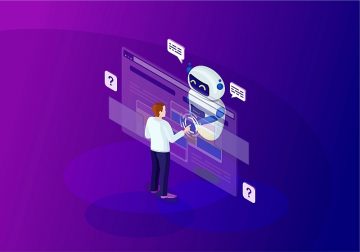
Artistictastesnly.info utilizes a deceptive strategy by displaying an image of a robot along with a message urging visitors to click the "Allow" button. This message aims to induce a sense of urgency and instructs users to confirm their non-robot status. However, by clicking "Allow," users inadvertently give the website permission to send them notifications.
Once users consent to receiving notifications from artistictastesnly.info, they may be inundated with intrusive pop-ups promoting various products, services, or scams. These pop-ups might contain links to phishing websites or other dubious pages, posing a substantial threat to user security.
Moreover, these notifications can lead users to click on malicious links or download harmful software, compromising their privacy and security. Additionally, notifications from deceptive websites may redirect users to fake news sites or platforms promoting conspiracy theories, spreading false information and eroding trust in legitimate sources.
It is imperative to refrain from accepting notifications from untrustworthy pages like artistictastesnly.info to mitigate the risk of encountering unwanted advertisements, malware, misinformation, and other online threats. Another reason to exercise caution with artistictastesnly.info is its potential to redirect users to similar untrustworthy websites.
What Are the Top Five Signs of a Fake Anti-Bot Check?
Identifying fake anti-bot checks is crucial for maintaining online security. Here are the top five signs that may indicate a fake anti-bot check:
Unusual or Overly Complex Instructions:
Authentic anti-bot checks usually involve straightforward tasks that are easy for humans to perform but challenging for automated bots. If the instructions seem overly complex, confusing, or unconventional, it could be a sign of a fake anti-bot check.
Generic or Poorly Designed Graphics:
Legitimate websites invest in well-designed and professional-looking graphics for their anti-bot checks. Fake checks may have generic or poorly crafted graphics, including distorted images, mismatched colors, or low-resolution elements.
Excessive Ads or Pop-ups:
Fake anti-bot checks may be accompanied by an excessive number of ads or pop-ups. Legitimate websites typically aim for a clean and user-friendly interface. An abundance of advertisements or intrusive pop-ups could indicate a fraudulent attempt to gather information or deceive users.
Unexpected or Unrelated Content:
Genuine anti-bot checks are integrated seamlessly into the website's design and purpose. If you encounter an anti-bot check that appears suddenly, is unrelated to the website's context, or seems out of place, it may be a fake attempt to trick users into interacting with malicious elements.
Unusual URL or Domain:
Check the URL or domain of the page hosting the anti-bot check. If it looks suspicious, contains misspellings, or deviates from the standard domain structure, it could be an indication of a fake anti-bot check. Legitimate websites typically use secure and recognizable domains.
It's important for users to stay vigilant and exercise caution when encountering anti-bot checks, especially if any of the signs mentioned above are present. If in doubt, users should verify the authenticity of the check through other means, such as checking the website's reputation, contacting the website administrator, or using security tools to ensure a safe browsing experience.