PayPal Phishing Campaign Uses Genuine Links to Hijack Accounts
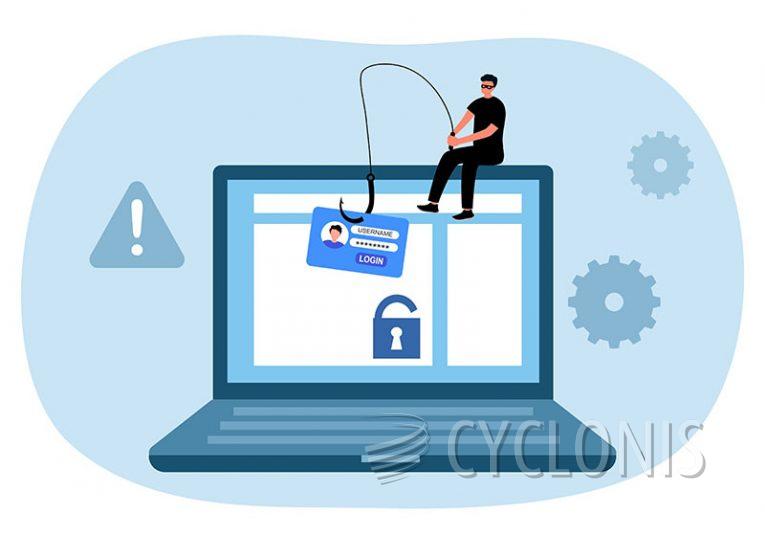
A sophisticated phishing campaign is targeting PayPal users, exploiting legitimate links and email addresses to deceive victims and take over their accounts. This alarming attack, highlighted by cybersecurity firm Fortinet, demonstrates how attackers are bypassing traditional security checks and preying on user trust.
Table of Contents
How the Phishing Campaign Works
The phishing emails sent to victims mimic legitimate PayPal correspondence. They include details like transaction IDs, payment amounts, and even warnings that resemble authentic PayPal notifications. Most deceptively, the emails come from a genuine PayPal address and contain legitimate URLs, allowing them to pass critical security checks such as SPF, DKIM, and DMARC.
Here’s how the scam unfolds:
- Phishing Email Sent: Victims receive an email that appears to originate from PayPal, informing them of a payment request.
- Legitimate-Looking Details: The email contains realistic transaction details designed to provoke panic or curiosity.
- Legitimate Link to Login Page: Clicking the link directs victims to an authentic PayPal login page, further convincing them of the email’s legitimacy.
- Account Takeover: If the victim logs in to their account, the attacker’s email address is secretly linked to the victim’s PayPal account. This enables the attacker to control the account.
Clever Exploitation of Microsoft 365 and PayPal Features
According to Fortinet, the attackers leveraged Microsoft 365’s Sender Rewrite Scheme (SRS) to modify the sender’s address, ensuring the emails bypass security checks. They registered a free test domain on Microsoft 365, created a Distribution List with the victims’ email addresses, and used PayPal’s web portal to send payment requests.
The combination of legitimate services and cleverly engineered steps makes this campaign particularly dangerous. Even PayPal’s internal phishing detection measures are unable to flag these emails as malicious.
Why This Attack Is So Effective
This phishing campaign stands out due to its reliance on legitimate elements:
- Genuine PayPal Links: The use of authentic URLs builds trust.
- Authentic Sender Address: The email appears to come from PayPal, tricking recipients and security systems alike.
- Legitimate Login Pages: Victims are directed to PayPal’s actual website, where the phishing occurs during a real session.
- No Malware or Fake Pages: The attack avoids traditional phishing markers, such as fake websites or malware-laden attachments, reducing its detectability.
How to Protect Yourself from Sophisticated Phishing Attacks
This campaign underscores the need for heightened vigilance and proactive measures to defend against increasingly sophisticated phishing attempts. Follow these tips to stay safe:
- Be Skeptical of Unsolicited Emails: Even if an email appears to come from a legitimate source, treat unexpected messages with caution.
- Verify Payment Requests: Contact PayPal directly through their website or app to confirm payment requests instead of clicking on links in emails.
- Monitor Your Account: Regularly review your PayPal account for unusual activity and unlink any unknown email addresses.
- Educate Your Workforce: Training employees to recognize phishing attempts is critical for both personal and organizational security.
- Enable Two-Factor Authentication (2FA): Adding 2FA to your PayPal account provides an extra layer of protection against unauthorized access.
Conclusion
This PayPal phishing campaign is a chilling reminder of how attackers are evolving their tactics to exploit even the most secure systems. By using legitimate links and bypassing traditional phishing indicators, the attackers are making it harder for both users and automated security measures to detect their scams.
Staying informed, vigilant, and proactive is essential to protecting yourself and your accounts. Always double-check emails, especially those involving financial transactions, and prioritize cybersecurity training to mitigate risks. As phishing attacks grow more sophisticated, a cautious approach can mean the difference between safety and becoming a victim.