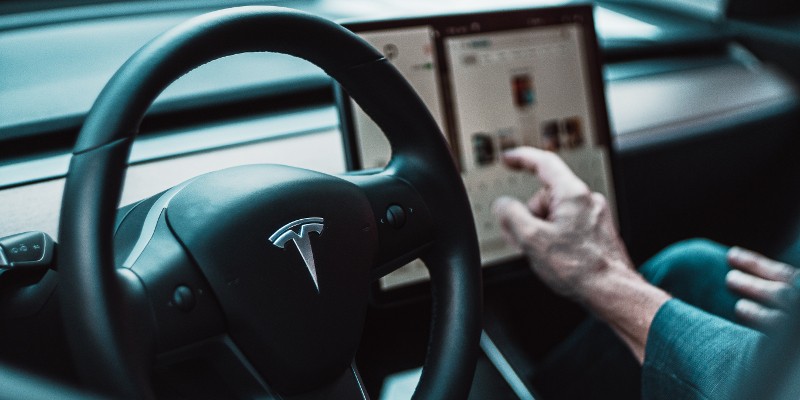
Is Your Car Spying on You - Tesla Cybertruck Explosion Raises Alarming Privacy Questions
The car of the future is here—but it might be spying on you. Recent revelations about Tesla's role in assisting law enforcement after a Cybertruck explosion in Las Vegas have reignited debates about privacy in modern vehicles. The case demonstrates the incredible potential of connected car technology to aid in investigations, but it also highlights the darker implications of having cars that know where you’ve been, what you’ve done, and who you’ve contacted.
Table of Contents
The Explosion That Sparked the Debate
On New Year’s Day, a Tesla Cybertruck packed with fireworks exploded in front of the Trump International Hotel in Las Vegas, leaving one person dead and several others injured. Within hours, Tesla provided law enforcement with detailed information about the driver, Matthew Livelsberger, including his movements across multiple states. Using data from charging stations and onboard systems, Tesla confirmed that the fireworks—not a malfunction in the Cybertruck—caused the deadly explosion.
The fast response earned Tesla praise from Las Vegas law enforcement. Sheriff Kevin McMahill even thanked Elon Musk for the company's cooperation, calling the data "invaluable." However, privacy advocates raised concerns about what this level of access to personal data could mean for ordinary drivers.
Your Car Knows More Than You Think
Modern vehicles are more than just machines; they’re computers on wheels. Many cars collect vast amounts of information, including:
- Location data: GPS systems can track every stop, turn, and journey.
- Personal information: Contacts, call logs, and text messages often sync automatically when phones are paired with in-car systems.
- Driving habits: Onboard sensors monitor speed, braking, and even seatbelt usage.
In Tesla’s case, data from charging stations and other systems allowed the company to reconstruct Livelsberger’s multi-state journey with alarming precision. While this capability can assist in solving crimes, it raises the question: Who else might have access to this information?
The Double-Edged Sword of Connected Cars
Experts are divided on whether this type of surveillance is an acceptable trade-off for public safety. On one hand, access to vehicle data can help solve crimes quickly and efficiently. On the other, the potential for abuse is significant.
David Choffnes, executive director of the Cybersecurity and Privacy Institute at Northeastern University, described this surveillance as a “double-edged sword.” While it’s helpful in cases like the Las Vegas explosion, it also exposes drivers to risks if companies misuse or sell the data. For example, General Motors faced a lawsuit in 2023 for allegedly selling data on 1.8 million drivers without consent.
The Growing Threat of Camera Data
Cars equipped with cameras for self-driving features introduce even greater risks. Tesla itself faced backlash after reports surfaced that employees shared sensitive footage from customers' vehicles, including private moments and road rage incidents. This incident highlighted how even companies that promise data security can falter.
Tesla’s website claims to follow strict privacy guidelines, stating, “No one but you would have knowledge of your activities, location, or a history of where you’ve been.” However, privacy experts remain skeptical, noting the lack of federal regulations governing car data.
The Legal Gap in Car Data Privacy
Unlike banking or healthcare data, vehicle data lacks robust federal protections in the United States. Instead, drivers are subject to a patchwork of state laws, many of which fail to address the complexities of modern vehicle technology. Jodi Daniels, CEO of Red Clover Advisors, believes the government must act quickly to address these gaps.
“We have a right to privacy,” Daniels said. “While law enforcement should have access to data that solves crimes, there need to be limits on who can see and use this information.”
What Can Drivers Do?
As cars become smarter, drivers must take steps to protect their data:
- Disable unnecessary features: Turn off data-sharing settings when possible.
- Review privacy policies: Understand how your car manufacturer collects and uses data.
- Use third-party privacy tools: Tools like VPNs for connected cars can offer additional protection.
The Road Ahead
The Tesla Cybertruck explosion is a stark reminder that our cars are no longer mere vehicles—they’re surveillance machines. While the technology offers incredible benefits, it also demands a serious conversation about privacy.
As we hurtle into a future where cars are as connected as smartphones, the balance between public safety and personal privacy will only grow more complicated. For now, drivers should remain vigilant about how their data is collected and used, and push for stronger laws to protect their digital rights.