China-Linked Hack Targets U.S. Telecoms and Global Networks in Bold Cyber Campaign
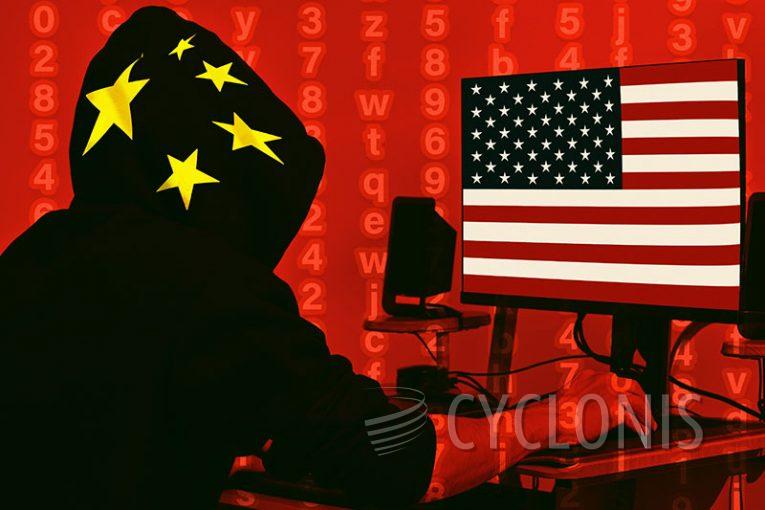
A large-scale hacking campaign attributed to Chinese state-backed actors has struck at the heart of U.S. telecommunications, impacting at least eight telecom firms and spreading across dozens of countries. White House officials have raised alarm over the cyberespionage operation, which compromised the private communications of senior U.S. officials and prominent political figures.
Table of Contents
A Widening Threat
Deputy National Security Adviser Anne Neuberger revealed on Wednesday that the hack, dubbed "Salt Typhoon," targeted critical telecom networks to intercept text messages and phone conversations. Although the breach was focused on a select group of individuals, its implications are far-reaching. The attack granted access to sensitive conversations, including those of senior government officials, raising national security concerns.
While no classified information is believed to have been compromised, Neuberger stressed that the attackers remain embedded in the networks. U.S. companies have yet to fully expel the hackers, leaving the risk of ongoing surveillance.
Global Impact of Salt Typhoon
The campaign isn’t limited to the United States. Senior White House officials believe hackers infiltrated telecom networks in a couple of dozen countries, potentially compromising government and corporate communications worldwide. The hack is believed to have been ongoing for at least a year, targeting regional networks and focusing on key officials.
The FBI and the Cybersecurity and Infrastructure Security Agency (CISA) have issued technical guidance to help telecom providers identify and mitigate vulnerabilities. These recommendations, which include strengthening encryption, centralizing network monitoring, and implementing consistent cybersecurity practices, aim to disrupt future operations by Salt Typhoon or similar campaigns.
China Denies Involvement
The Chinese embassy in Washington has rejected the allegations, accusing the U.S. of using cybersecurity as a pretext to discredit China. “The U.S. needs to stop its own cyberattacks against other countries and refrain from using cybersecurity to smear and slander China,” said embassy spokesperson Liu Pengyu.
Lessons from the Past
White House officials have likened the response to efforts following the 2021 Colonial Pipeline ransomware attack, which highlighted vulnerabilities in critical U.S. infrastructure. After that attack, which disrupted fuel supplies along the Eastern Seaboard, the federal government pushed for stricter cybersecurity measures in energy, transportation, and other sectors.
Deputy National Security Adviser Neuberger emphasized that similar efforts are needed to strengthen telecom infrastructure against Salt Typhoon-style intrusions. “To prevent ongoing intrusions, we believe we need to apply minimum cybersecurity practices across the board,” she said.
The Road Ahead
As the investigation continues, the scale of the breach and its consequences remain uncertain. With President Biden prioritizing cybersecurity efforts, federal authorities are pushing for greater collaboration between the government and private telecom firms to secure critical networks.
The Salt Typhoon operation underscores the evolving threat landscape in global cybersecurity. As attacks grow more sophisticated, governments and corporations must adopt proactive measures to safeguard sensitive communications and critical infrastructure.